
Roofing Grocery Buildings Where Refrigeration Can't Wait
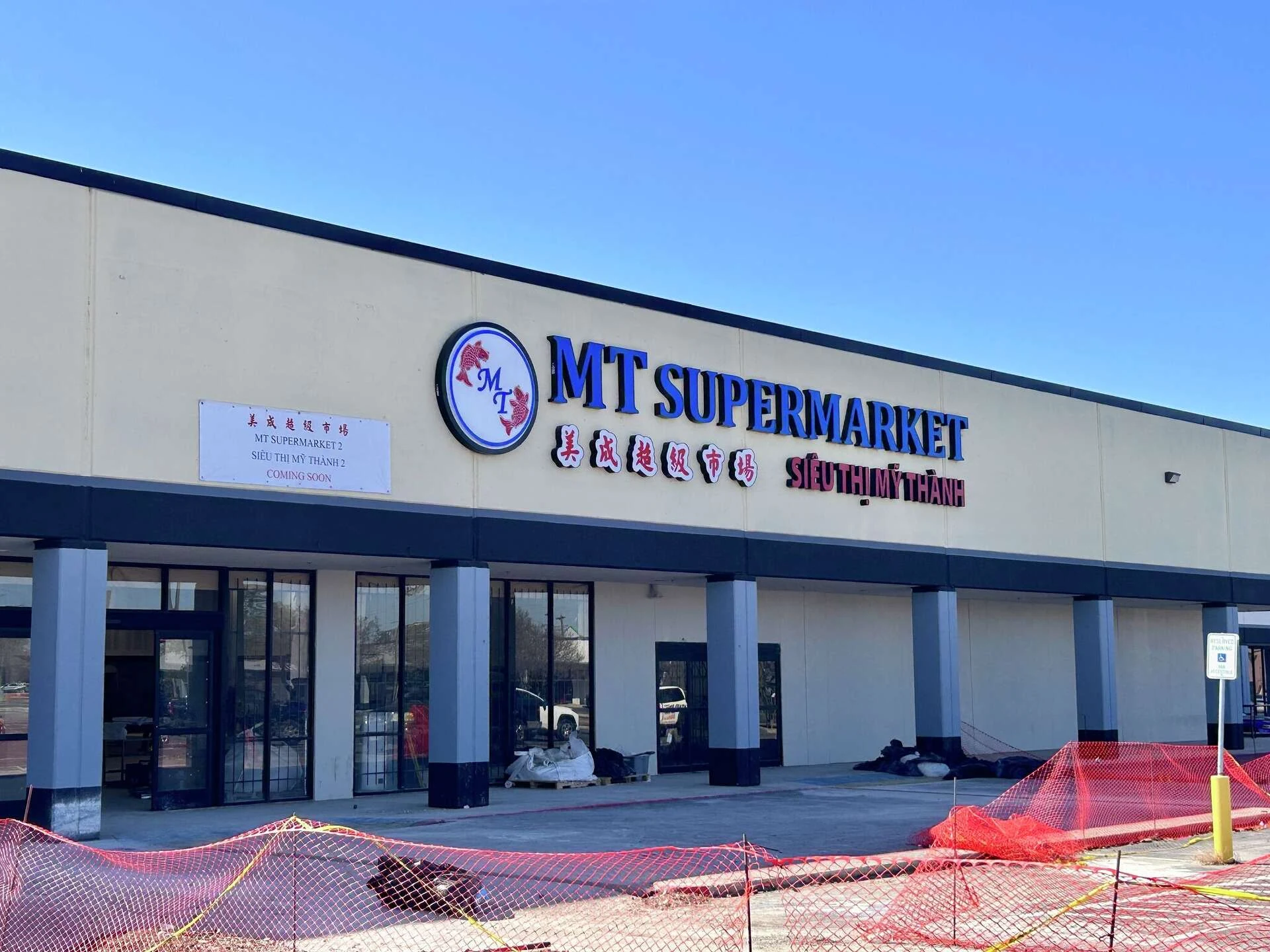
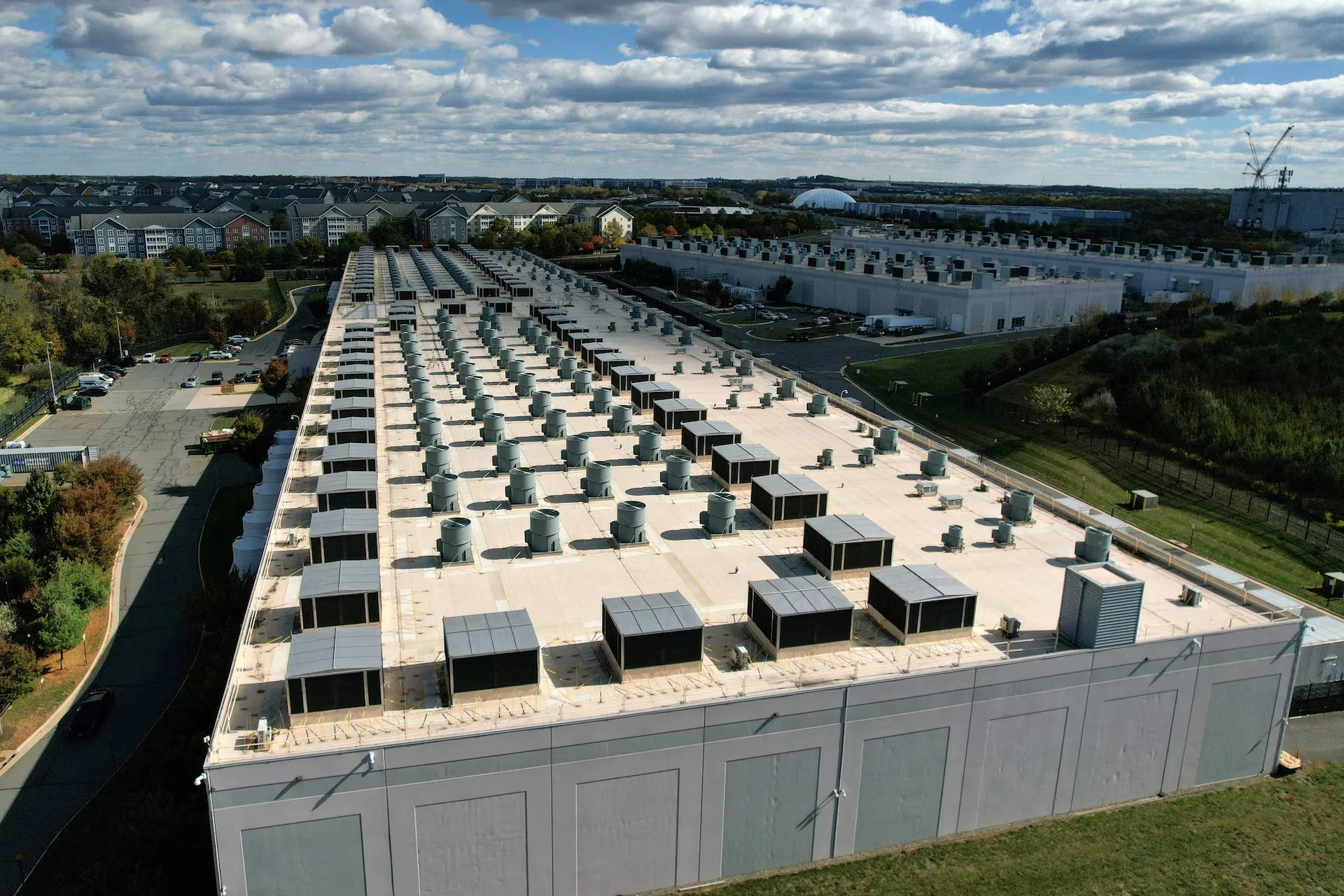
Grocery stores across Lincoln operate large single-story roofs packed with refrigeration and freezer condenser units, HVAC serving a sales floor that has to stay comfortable for shoppers, and a building that essentially never closes for restocking and receiving. A roof issue here has a shorter fuse than most commercial buildings because spoiled inventory is an immediate financial loss, not a slow-building problem.
Refrigeration Curbs Are the First Thing We Check
Grocery roofs carry a dense cluster of refrigeration and freezer condenser curbs, usually concentrated over the store's cooler and freezer aisles, and a flashing failure at one of those curbs can put cold inventory at risk faster than almost any other type of roof leak. We inspect refrigeration curbs individually and prioritize any sign of flashing separation or seal failure ahead of general field issues elsewhere on the roof.
We also check the condition of curb insulation itself, not only the flashing around it, since a refrigeration curb loses efficiency if the insulation inside the curb assembly has degraded even when the flashing looks intact from above. That efficiency loss shows up as the condenser working harder to hold temperature, which store managers sometimes notice as a utility cost increase before anyone connects it back to the roof.
A Store That Can't Close Needs a Phased Plan
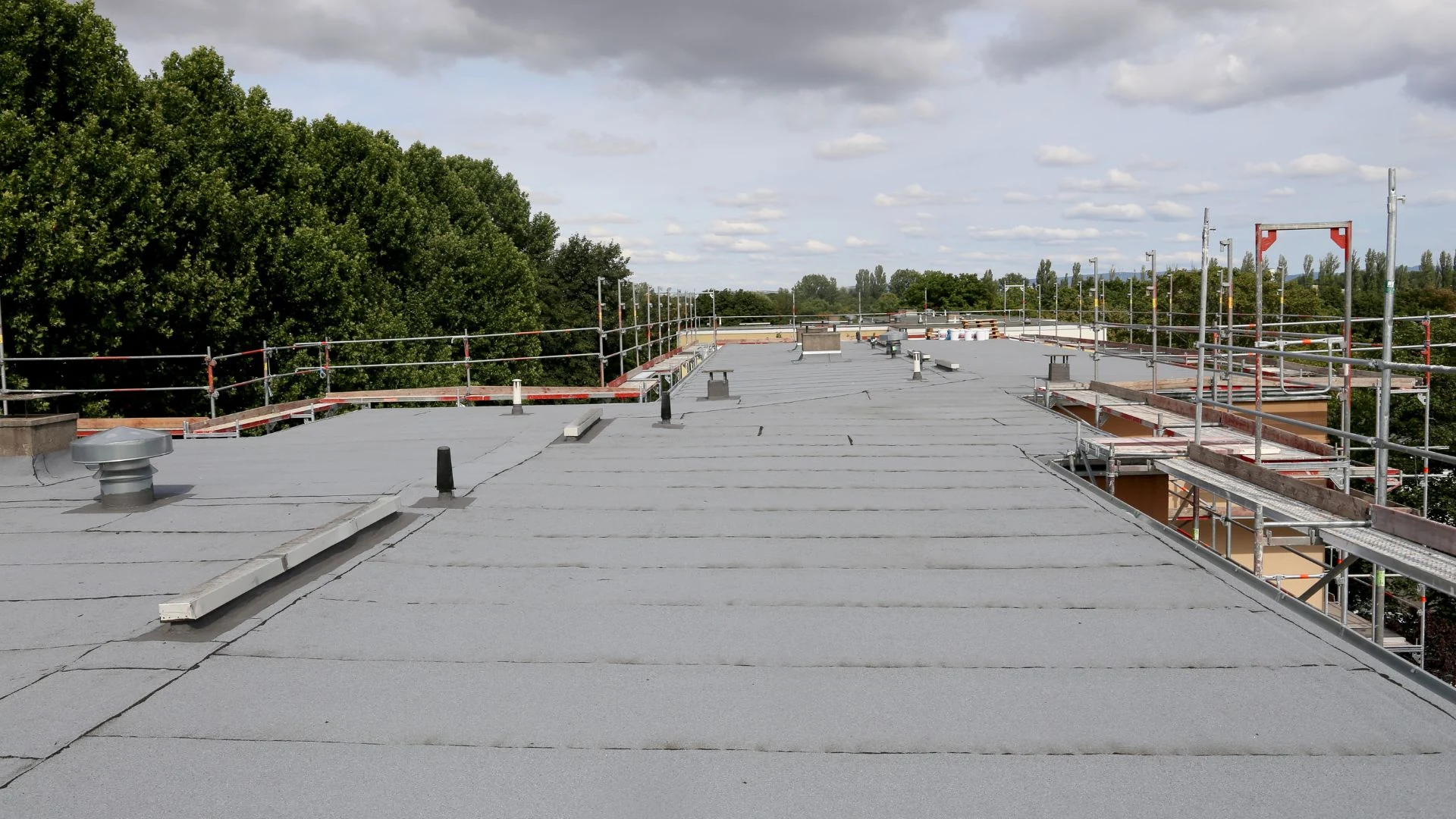
Grocery stores don't get to shut down for a reroof, so tear-off and dry-in happen in sections small enough that the store stays weathertight and operational through the entire project. We schedule the loudest work for overnight or early-morning hours when the store has reduced foot traffic, and we coordinate directly with store management on receiving dock access throughout.
We also stage materials and equipment away from active receiving dock traffic, since grocery stores run a near-constant flow of delivery trucks that can't be paused for a roofing project. Coordinating staging areas with the store's receiving schedule ahead of time keeps both projects moving without either one blocking the other.
Reflective Roofing Cuts Load on an Already-Heavy HVAC System
A grocery store's HVAC system is already working hard to manage the temperature differential between a warm sales floor and cold refrigerated cases, and a dark, aged roof membrane adds unnecessary heat gain on top of that load. Switching to a reflective TPO or PVC membrane lowers rooftop surface temperature and eases the burden on rooftop units that are frequently running near capacity in a building this equipment-dense.
Drainage Around a Roof Full of Equipment
With so much rooftop equipment crowding a grocery store's roof, drainage paths can get blocked or redirected in ways that create unexpected ponding near condenser platforms. We trace drainage specifically around equipment clusters during inspection, since a straightforward drain check that ignores equipment placement misses where the actual ponding risk sits.
- Individual inspection of refrigeration and freezer condenser curbs
- Phased tear-off scheduling that keeps the store open throughout
- Reflective membrane options for equipment-dense rooftop layouts
- Drainage tracing around condenser platforms and equipment clusters
- Overnight scheduling for the loudest phases of the project
- Post-hailstorm inspection prioritized for stores with rooftop equipment
Hail Season and a Roof That Can't Afford a Slow Leak
Spring hail across southeast Nebraska hits grocery store roofs the same as any other flat commercial building, but the stakes are higher given the refrigerated inventory below. A cracked pitch pocket or displaced flashing near a condenser curb that goes unnoticed for a few weeks can turn into a leak right where it does the most damage. We recommend inspection after any significant hail event specific to equipment-heavy roofs like these.
Regional grocery chains operating several stores across Lincoln benefit from a consistent inspection record across every location, since a roof issue caught early at one store often points to a detail worth checking at sister locations built to the same design. We track condition store by store so a chain's facilities team can compare notes across the portfolio instead of treating each roof as an isolated case.
Coordinating With Store-Level Maintenance Staff
Most grocery locations have their own maintenance contact who fields day-to-day facility issues, and we work directly with that person on scheduling rather than routing every request through a regional office first. That direct line speeds up response time for anything urgent, while larger capital decisions still go through whatever regional approval process the chain requires.
Questions Store Managers and Regional Facilities Teams Ask Us
Can you inspect refrigeration curbs without disrupting the condensers?
Yes, inspection is visual and doesn't require taking equipment offline. Any repair near an active condenser curb is scheduled with your maintenance team present.
How do you reroof a store that never closes?
We phase the work in small sections and schedule the loudest tear-off phases overnight, keeping the roof weathertight over the sales floor and stockroom at every stage.
Will a reflective roof actually reduce our cooling costs?
It lowers the rooftop surface temperature your HVAC units are working against, which eases load on a system that's typically already running close to capacity in a grocery building.
What causes ponding near our condenser units?
Equipment platforms and the walkways around them can redirect drainage paths in ways a standard roof design doesn't anticipate. We trace drainage around each equipment cluster specifically.
Should we request an inspection after every hailstorm even without visible leaks?
Yes, particularly around refrigeration curbs, since minor flashing damage there tends to escalate faster than damage in an open field area. Catching a cracked pitch pocket or displaced flashing before it starts leaking is far cheaper than dealing with spoiled inventory once water finds its way to a condenser platform below.