80 Mil TPO Built for Lincoln's Hail and Wind Exposure
Eighty mil TPO is the thickness we push toward for Lincoln manufacturing plants, distribution buildings, and any property with a documented hail claim in recent years. The extra membrane mass changes how the roof absorbs impact energy and how it performs against sustained wind uplift on exposed sites.
Hail Impact Performance at 80 Mil
Thicker TPO resists puncture and fracture from hailstones better than thinner gauges, and most 80 mil reinforced products carry UL 2218 Class 4 ratings as a standard offering rather than an upgrade. For manufacturing plants and warehouses along Lincoln's industrial corridors, where roof replacement cycles get compressed by repeat storm damage, that impact margin often pays for the upcharge over a single storm season.
We still document the specific tested assembly rather than assuming thickness alone guarantees the rating, because the scrim reinforcement and top-ply formulation both factor into the actual impact class.
Wind Uplift Margins on Larger Roof Plates
Big-box and manufacturing roofs run large open fields with fewer penetrations, which simplifies fastening patterns but also means more square footage exposed to uniform wind pressure. Eighty mil TPO in a fully adhered or high-density mechanically attached configuration reaches higher FM uplift classes, which matters on Lincoln's flat, wind-exposed sites where nothing upwind breaks the gust.
Perimeter and corner zones still need the tightest fastening regardless of field uplift rating. We size those zones off the actual building height and roof geometry, not a flat percentage rule of thumb.
Reflectivity, R-Value Pairing, and Cooling Load
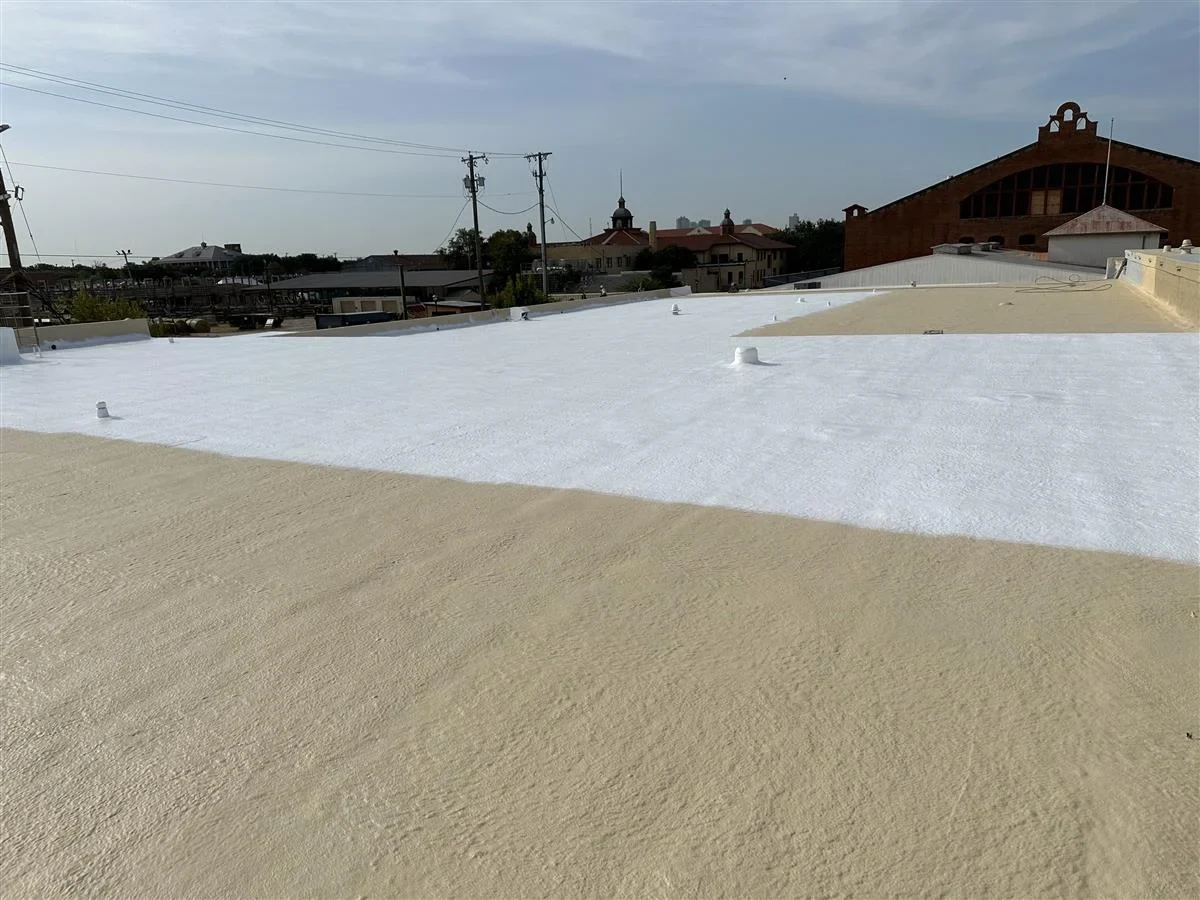
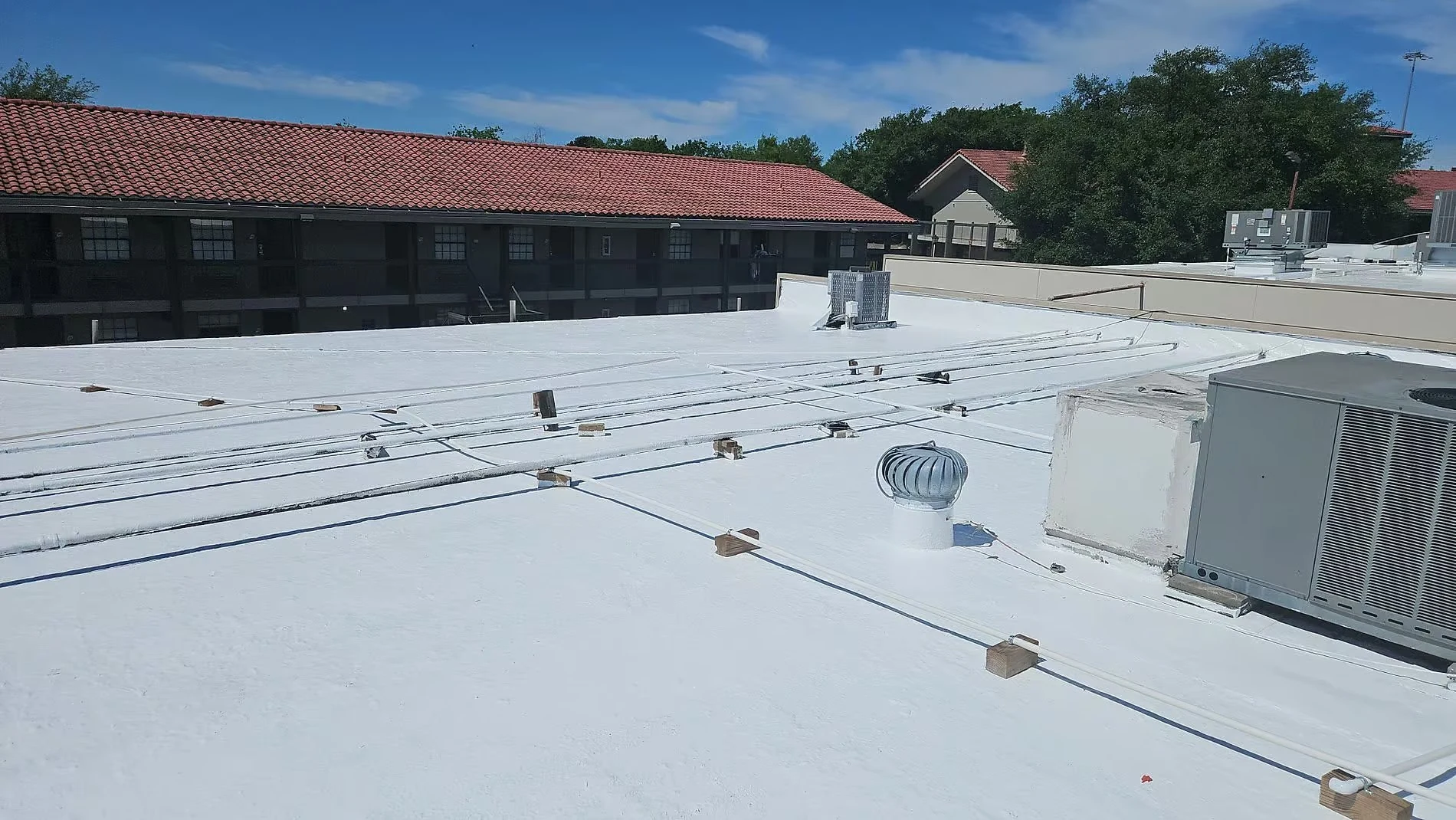
White 80 mil TPO holds its reflective finish slightly longer than thinner sheets simply because there's more material to weather before the surface degrades. Paired with a properly sized polyiso layer underneath, the combined assembly cuts summer heat gain into the building and reduces the run time on rooftop units, which shows up directly in utility bills for manufacturing floors that already carry heavy process loads.
We size the insulation package to the building's existing R-value target rather than installing a uniform thickness across every project, since older Lincoln industrial buildings often have inconsistent original insulation.
Thermal-Swing Cycling and Membrane Fatigue
- Nebraska's continental climate swings from sub-zero winter nights to summer roof surface temperatures well above 150°F
- Repeated expansion and contraction stresses seams and fastener plates over years of service
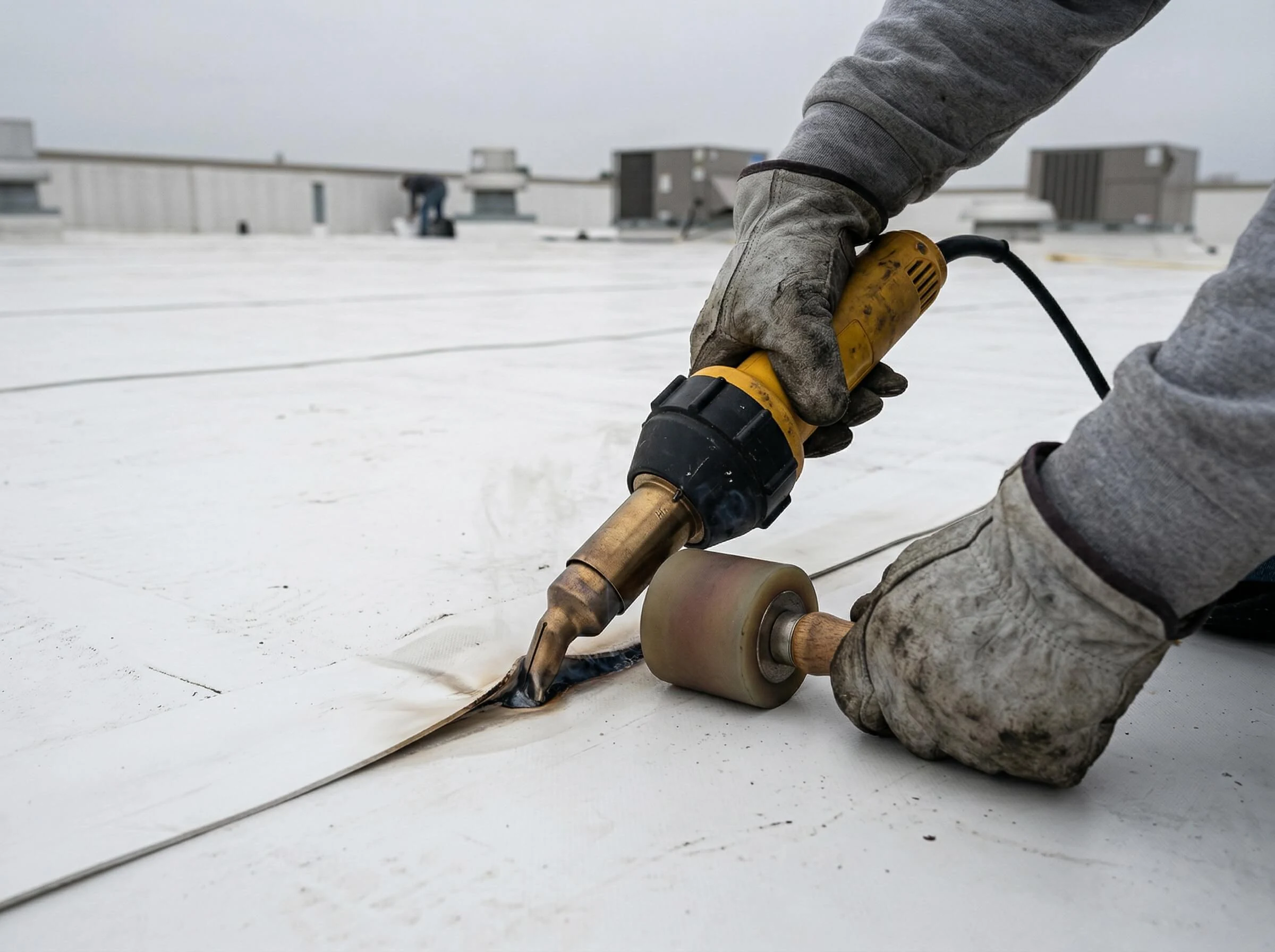
- Heat-welded TPO seams resist this cycling better than adhesive-only seam systems
- Fully adhered systems reduce membrane flutter that accelerates fatigue at fastener rows
- Annual seam inspection catches early separation before it becomes a leak
Where We Specify 80 Mil
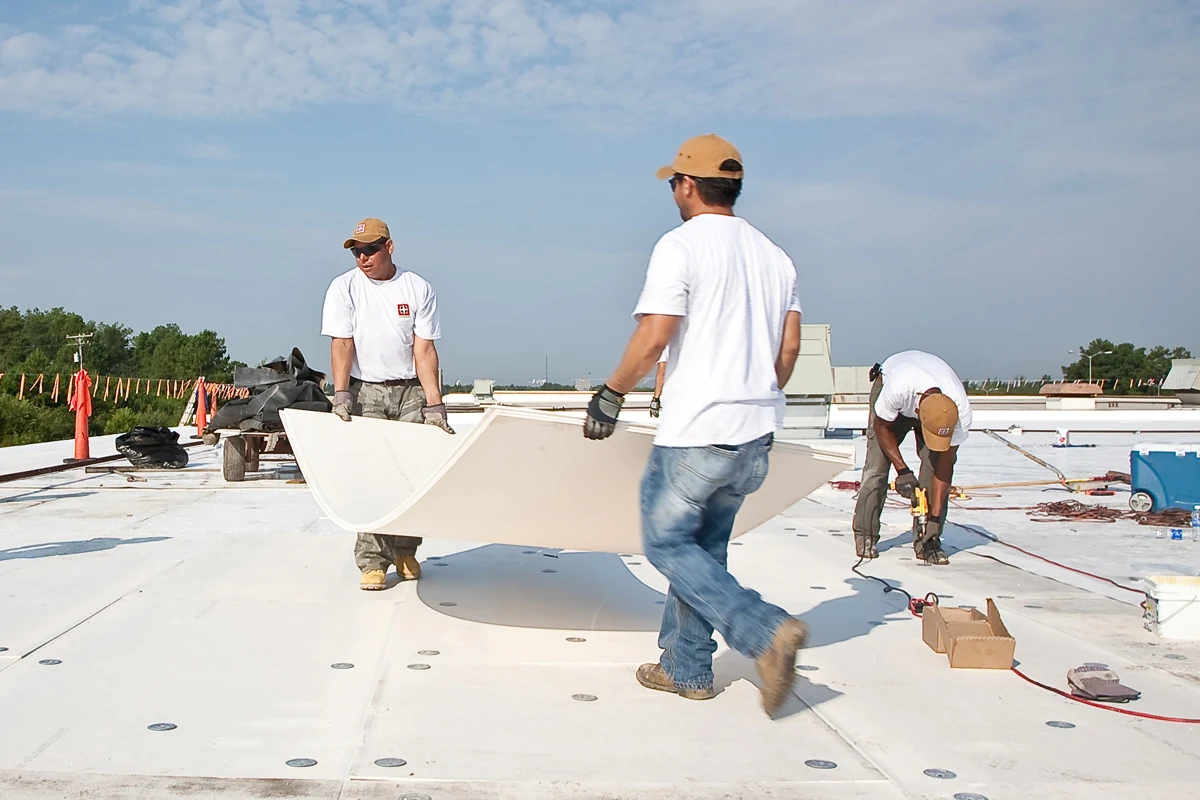
Manufacturing plants, cold storage, and distribution centers with heavy rooftop equipment loads are our default candidates for 80 mil. The thicker membrane tolerates foot traffic around HVAC curbs and conduit runs better than 60 mil without added walkway pads in every zone.
We also lean toward 80 mil on any building carrying a longer ownership horizon, since the extended warranty terms typically available at this gauge line up with a hold period past ten years.
Rooftop Equipment Load and Curb Detailing
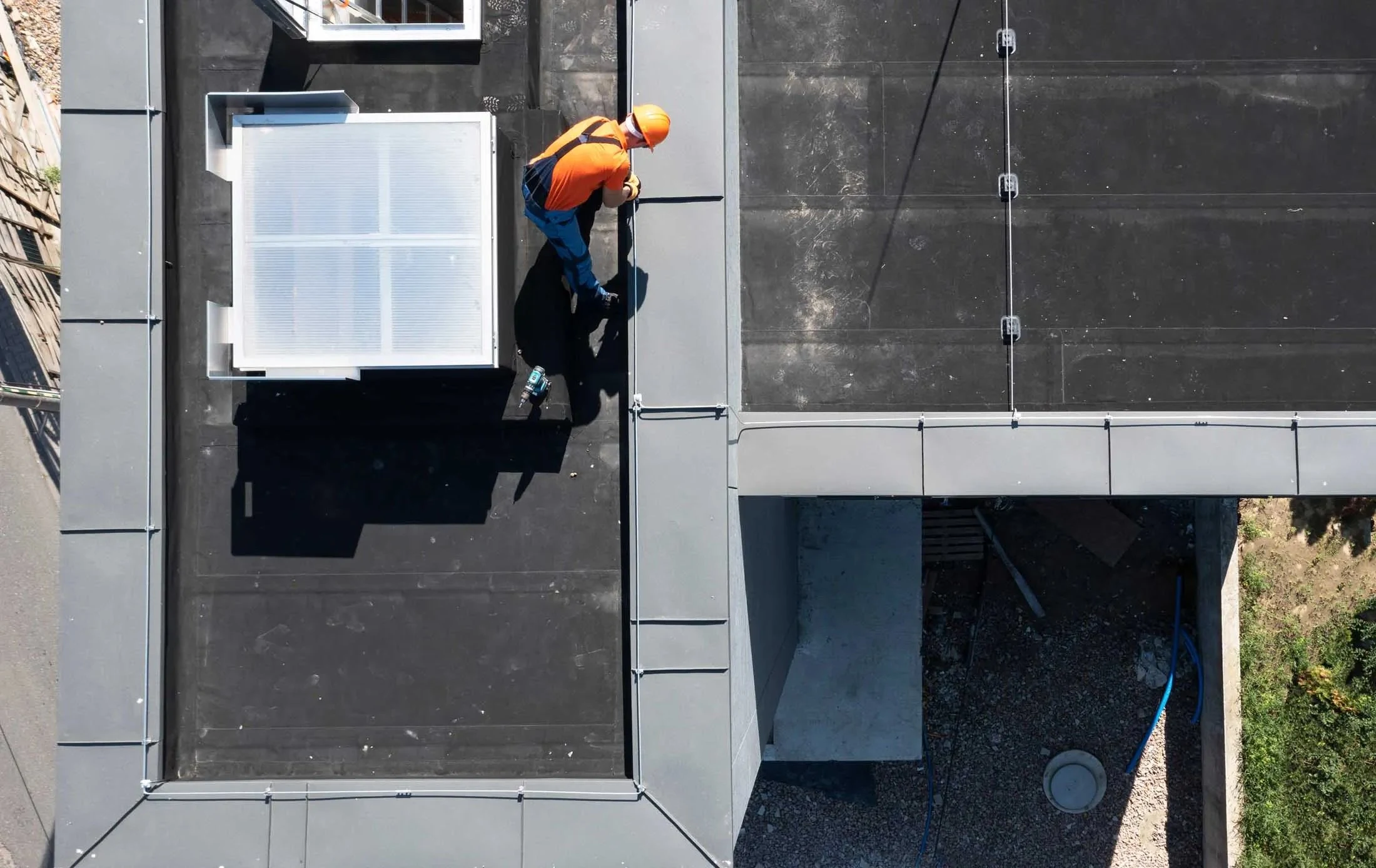
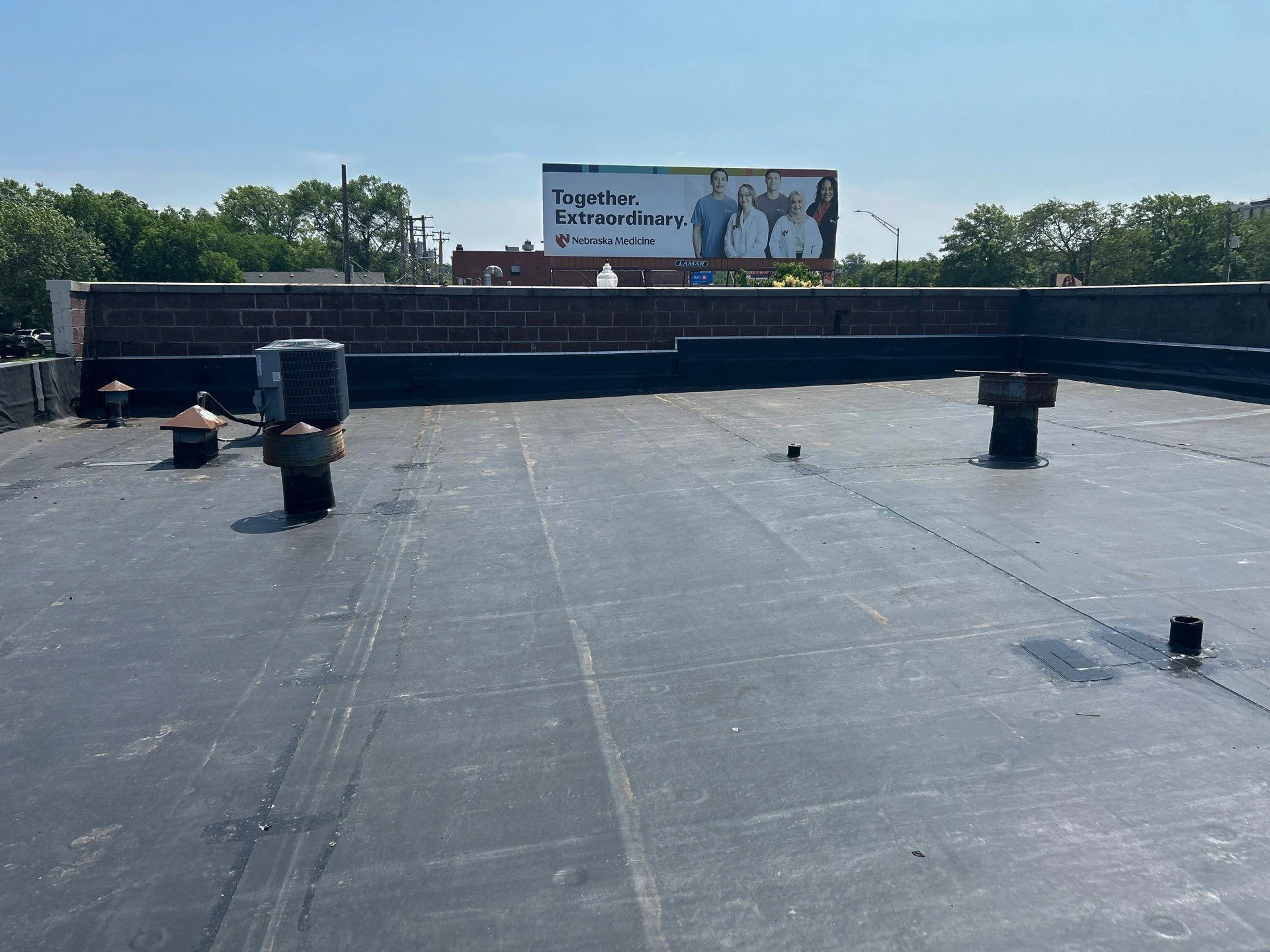
Manufacturing and distribution roofs tend to carry more rooftop equipment per square foot than office buildings, and each curb, conduit run, and vent stack is a place where flashing detail quality determines whether the roof leaks in year two or year twenty. Eighty mil TPO's added thickness gives us more material to work with at these details without the sheet stretching thin over sharp transitions.
We pre-fabricate corner and boot flashings in the shop where the geometry allows, which produces more consistent welds than field-cutting every detail on site, particularly useful on plants with dozens of repeated penetration types.
Coordinating Installation Around Active Operations
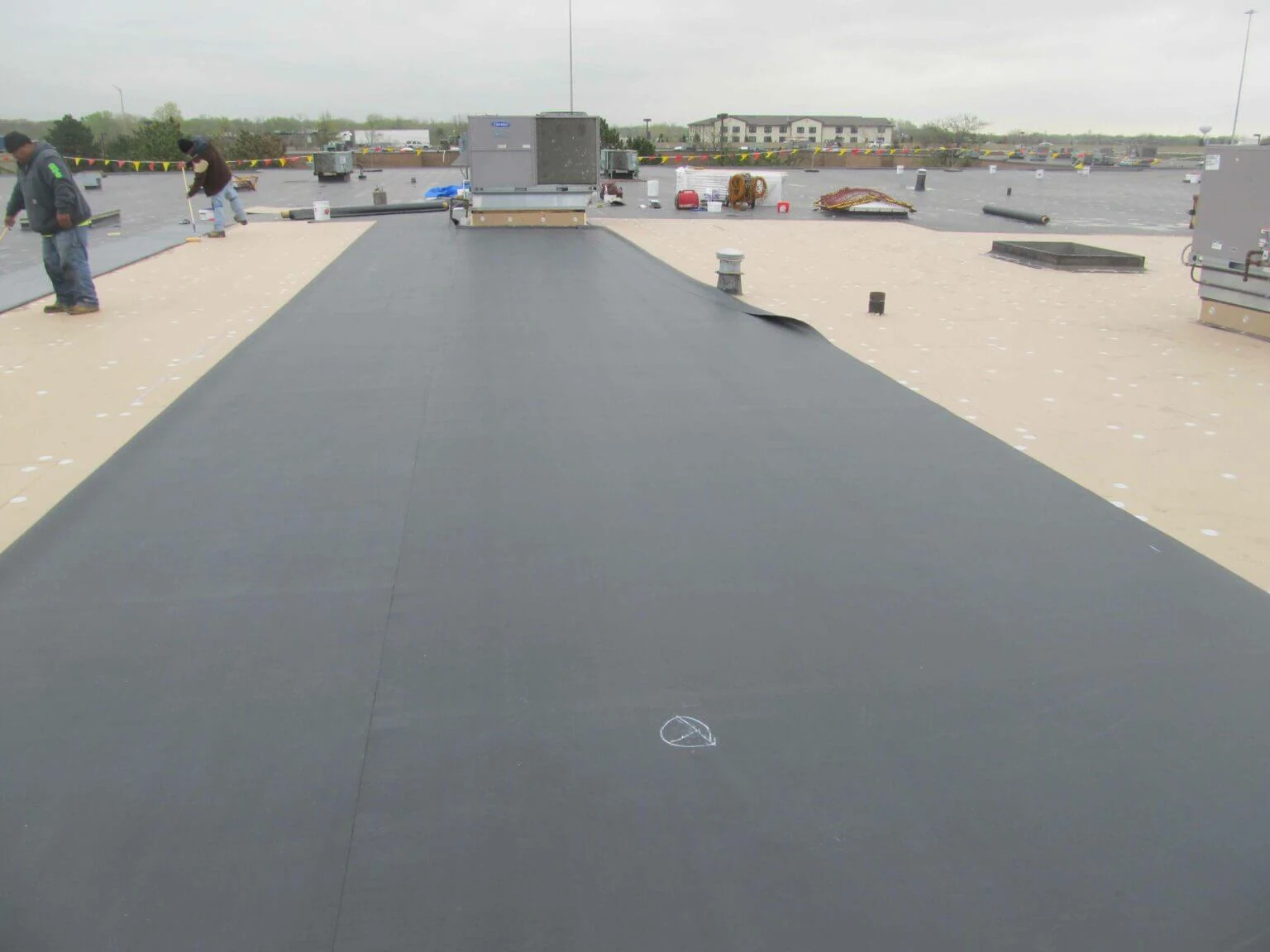
Manufacturing plants along Lincoln's industrial corridors rarely shut down for a re-roof, so we phase 80 mil TPO installations to keep sections of the roof watertight at the end of every work day rather than leaving open substrate overnight. That phasing matters more on a large-format membrane project than it does on a small office re-roof, since the exposed area at any given time is larger.
We coordinate crane and material staging with plant operations ahead of time so loading dock access and production schedules aren't disrupted by roofing deliveries.
Warranty Terms Tied to Building Use
Manufacturers often extend longer warranty terms on 80 mil TPO than on thinner gauges, but the fine print on many warranties adjusts coverage based on building occupancy type and any chemical exposure at the roof surface. We review the actual warranty language for a manufacturing or distribution property before quoting a term, since a generic warranty summary doesn't always reflect exclusions tied to industrial use.
Common Questions on 80 Mil TPO
Does 80 mil TPO cost significantly more than 60 mil?
The material upcharge is real but modest relative to total project cost, and it's usually offset by longer warranty coverage and better impact resistance on hail-exposed buildings.
Is 80 mil necessary on every Lincoln roof?
No. Sheltered, low-traffic roofs without hail claim history can perform fine at 60 mil. We base the recommendation on exposure and building use, not a blanket rule.
How does thickness affect wind uplift ratings?
Thickness alone doesn't set the uplift class; attachment density, insulation board, and deck type all factor in alongside membrane gauge.
Can 80 mil TPO be walked on for maintenance?
It tolerates occasional foot traffic better than thinner membranes, but we still recommend walkway pads at high-traffic access routes to HVAC units.
Does color affect the impact rating?
Impact rating is tied to the reinforced membrane construction, not surface color, though white remains our default for the reflectivity benefit.