Black EPDM for Buildings That Prioritize Flexibility Over Reflectivity
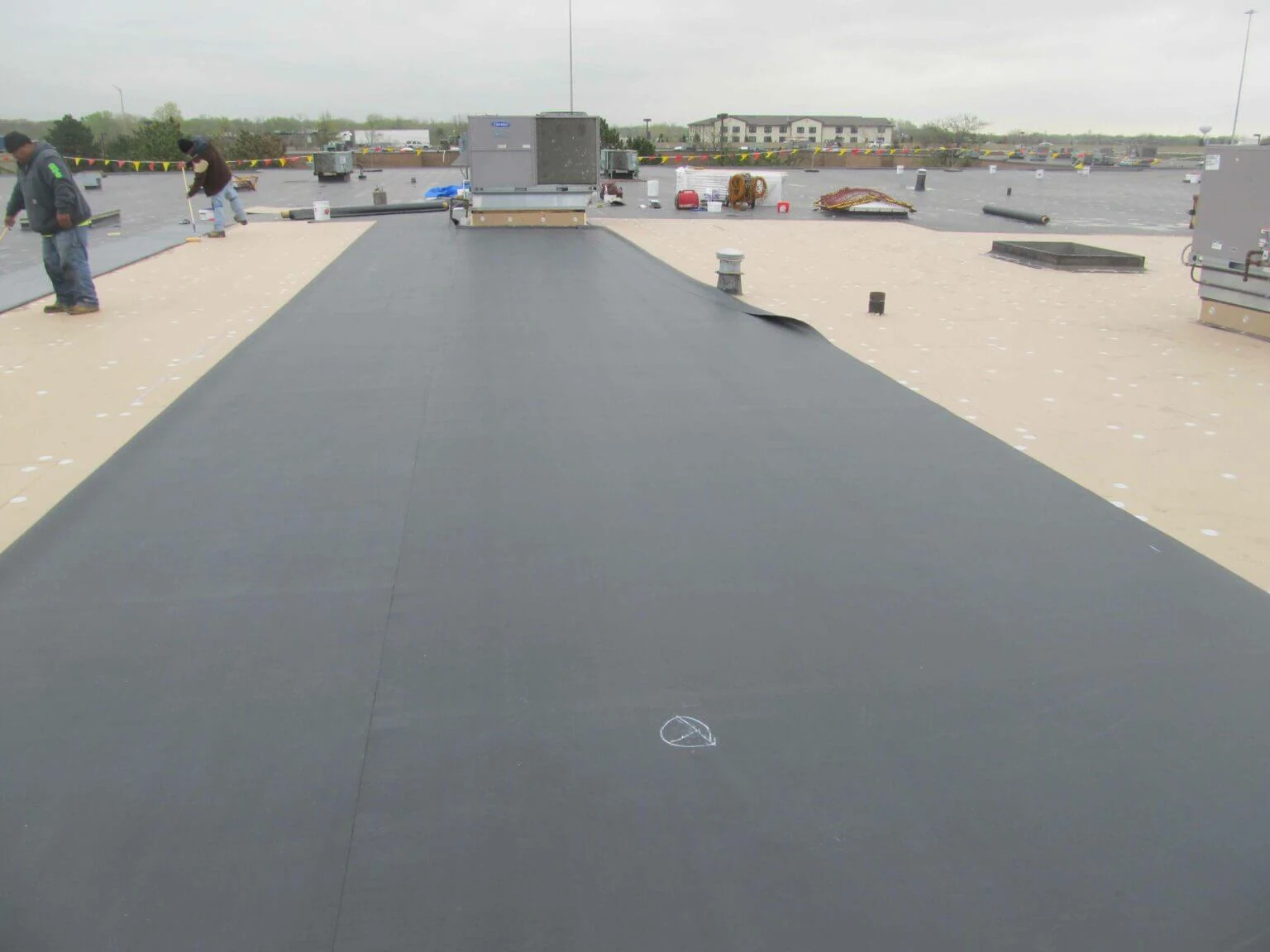
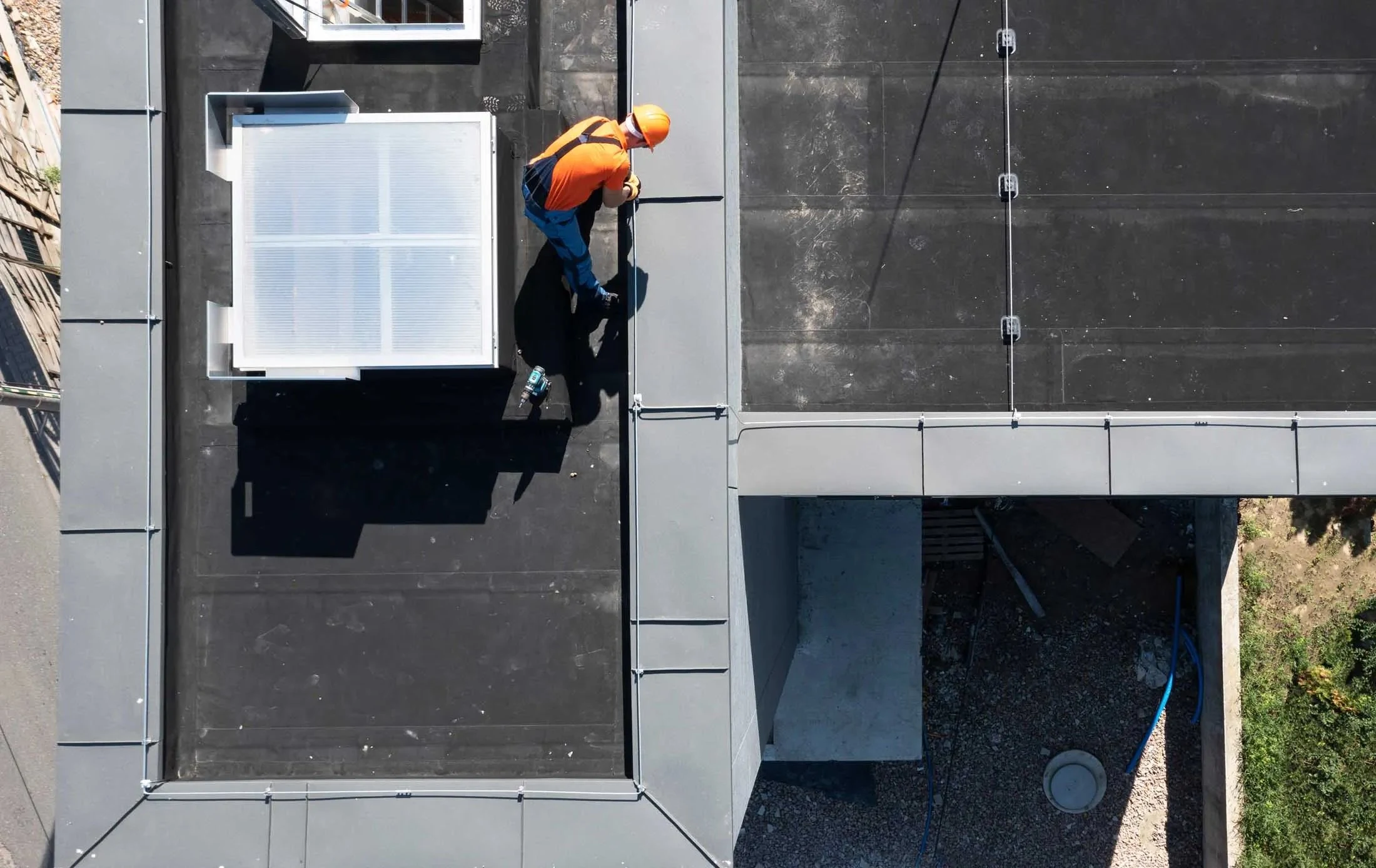
Black EPDM is still the roof we recommend when a building's priority is field-proven flexibility through Nebraska's wide temperature swings rather than minimizing summer cooling load. It's rubber, not plastic, and it moves with the building differently than a heat-welded thermoplastic sheet.
How Thermal-Swing Cycling Treats EPDM Differently
Lincoln's climate runs from well below zero on winter nights to membrane surface temperatures over 170°F in direct July sun, and that swing repeats every year for the life of the roof. EPDM's rubber compound has a wider elongation range than TPO or PVC, so it tolerates that expansion and contraction with less risk of seam or flashing stress fatigue over a long service life.
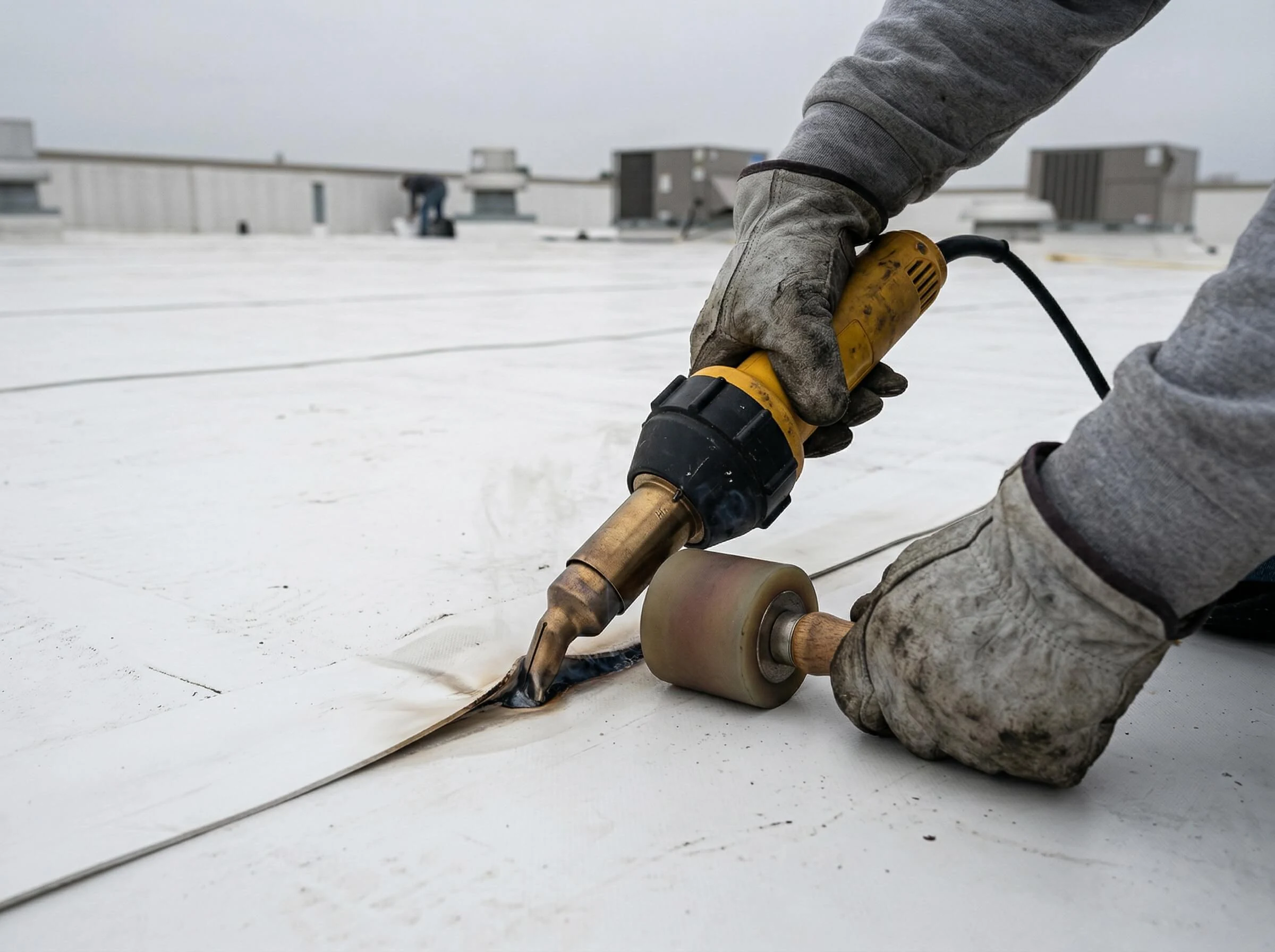
The trade-off is that black EPDM's factory-installed adhesive seams age differently than heat-welded thermoplastic seams, so seam inspection and re-sealing on a maintenance cycle matter more here than on TPO.
The Honest Reflectivity Trade-Off
Black EPDM absorbs solar heat rather than reflecting it, and on a building with rooftop units running long hours through Lincoln summers, that means higher suction-side temperatures and more compressor run time than a white membrane would produce. We don't sell around this. If minimizing HVAC load is the top priority, white EPDM or TPO wins that comparison directly.
Where black EPDM still makes sense is on buildings with heavier insulation packages already installed, where the membrane's surface temperature has less effect on interior comfort, or where snow-melt in winter is actually a mild benefit for ice management on the roof surface.
Hail Impact and Wind Uplift on EPDM
EPDM's rubber compound absorbs impact energy differently than a plastic membrane, often stretching under a hailstone rather than fracturing, though thin non-reinforced sheets can still puncture under large stones common to Nebraska's spring storm season. We spec heavier gauge, reinforced EPDM on properties with an active hail claim history rather than defaulting to the thinnest available sheet.
Wind uplift ratings for ballasted EPDM systems depend heavily on stone ballast weight and roof height, while mechanically attached EPDM follows the same fastener-density logic as TPO. On Lincoln's open, wind-exposed sites we favor mechanically attached or fully adhered EPDM over loose-laid ballast for anything above a low profile building.
Where Black EPDM Still Fits in Lincoln
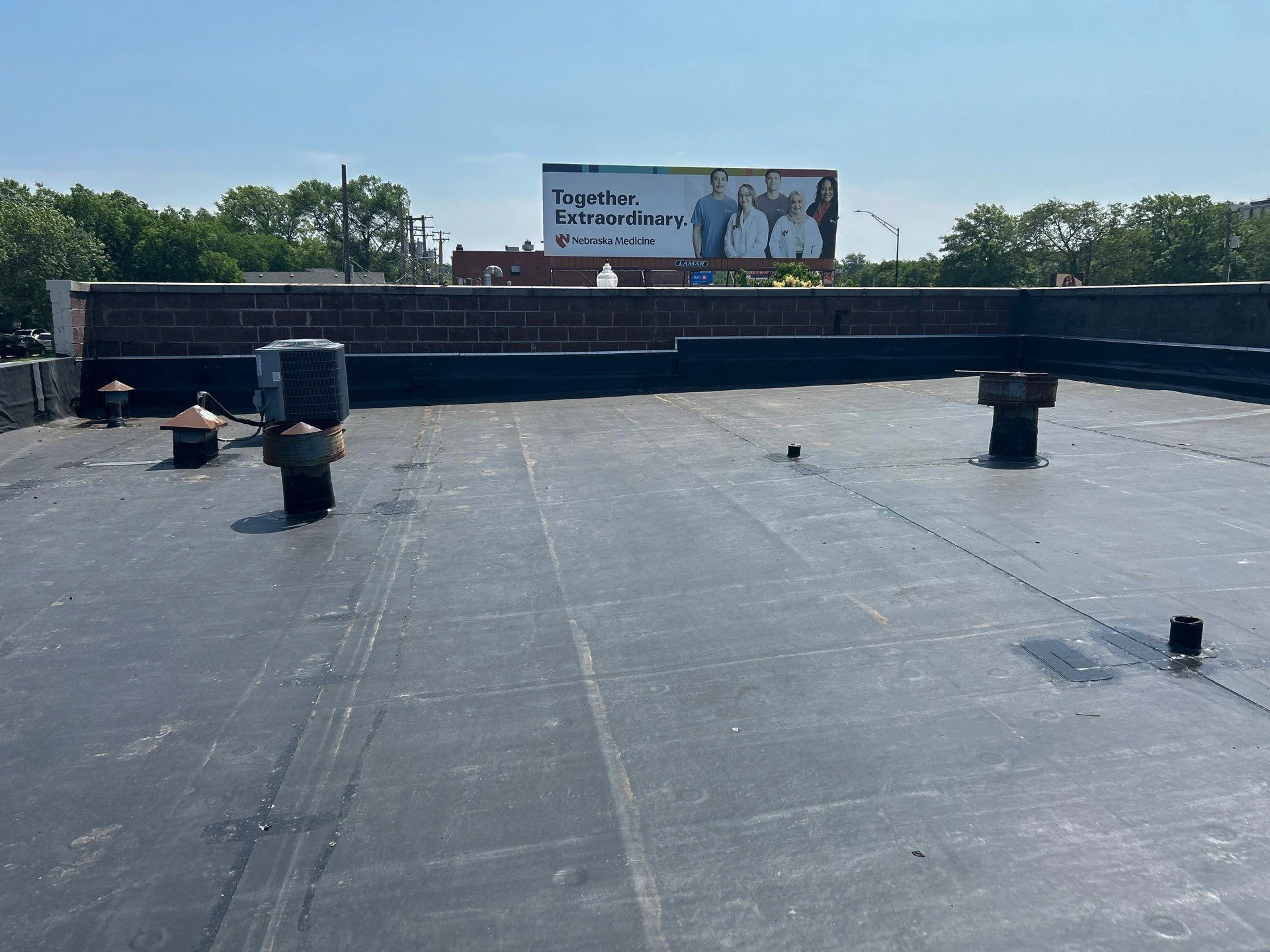
- Older buildings already carrying black EPDM where a re-cover matches the existing system
- Manufacturing buildings with well-insulated envelopes where surface heat gain matters less
- Properties where long-term flexibility through freeze-thaw cycling outweighs reflectivity
- Ballasted applications on structurally rated roof decks
- Budget re-roofs where the owner already understands the summer load trade-off
Maintenance That Extends EPDM Service Life
Seam and flashing inspection twice a year catches adhesive seam separation before it turns into a leak, particularly after Lincoln's freeze-thaw winters put stress on any spot where the membrane meets a curb or penetration. We also check ballast distribution on loose-laid systems after major wind events, since displaced stone changes the uplift protection at the roof edge.
Punctures from hail or mechanical damage get patched with compatible EPDM splice material rather than generic sealant, which keeps the repair moving with the membrane instead of cracking at the patch edge during the next thermal cycle.
Flashing Compatibility on Re-Cover Projects
Older EPDM roofs around Lincoln often carry flashing details installed under earlier code or manufacturer standards that don't match current best practice, particularly at parapet walls and curb transitions. Before proposing a re-cover, we inspect existing flashing for compatibility with new EPDM splice material rather than assuming everything at the roof edge can simply be tied into.
Where old flashing can't be reliably tied in, we replace it as part of the project scope, since a re-cover that leaves a weak flashing detail in place just relocates the leak risk instead of resolving it.
Ballast Weight and Structural Verification
Loose-laid ballasted EPDM depends on stone weight to resist wind uplift, and that weight has to be within the roof deck's structural capacity, something we verify with the building's structural documentation or an engineer's review before recommending a ballasted system. Older Lincoln buildings, particularly ones that have gone through additions or interior renovations over the years, don't always have current structural load data on file.
Where structural capacity is uncertain or limited, we shift the recommendation to mechanically attached or fully adhered EPDM instead of ballast, avoiding the added dead load altogether.
Snow and Ice Behavior on Dark Membrane
Black EPDM's heat absorption, while a downside for summer cooling load, does help shed snow and light ice faster than a reflective white membrane during Lincoln's winter months, which some owners view as a minor operational benefit around rooftop equipment access. We mention this trade-off honestly during the material conversation rather than treating it as a deciding factor, since the summer HVAC cost typically outweighs any winter snow-shedding advantage over a full year.
Common Questions on Black EPDM
Does black EPDM increase cooling costs compared to a white membrane?
Generally yes, since it absorbs rather than reflects solar heat. We factor that into the recommendation for buildings where HVAC load is the deciding concern.
Is EPDM more hail-resistant than TPO?
It depends on gauge and reinforcement in both cases. EPDM's flexibility can absorb impact well, but thin unreinforced sheets in either material are vulnerable to large hailstones.
How long do EPDM seams last in Lincoln's climate?
Well-installed adhesive seams typically hold up for many years, though we recommend periodic inspection given the repeated freeze-thaw stress the region puts on any seam.
Can black EPDM be coated to add reflectivity later?
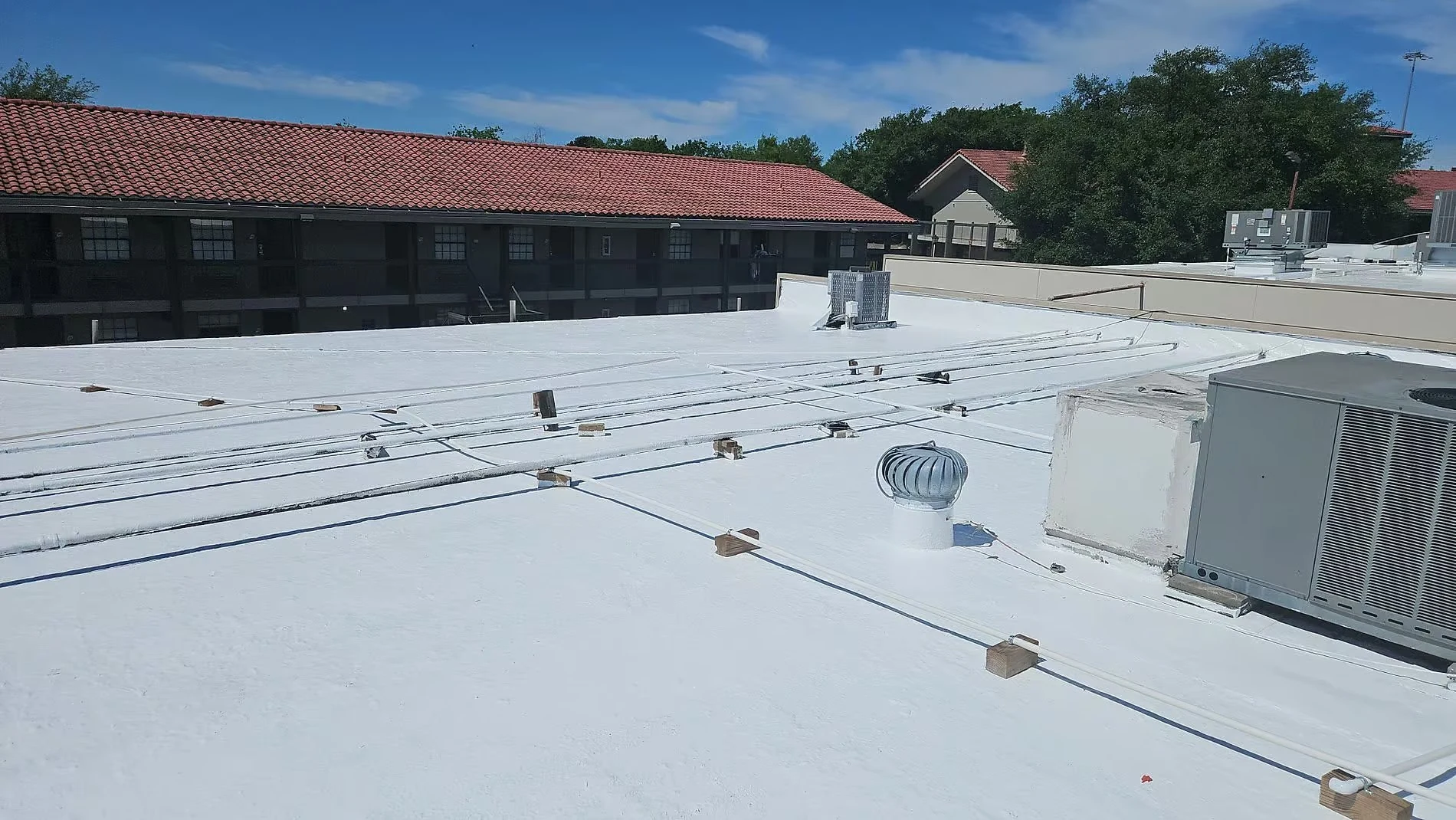
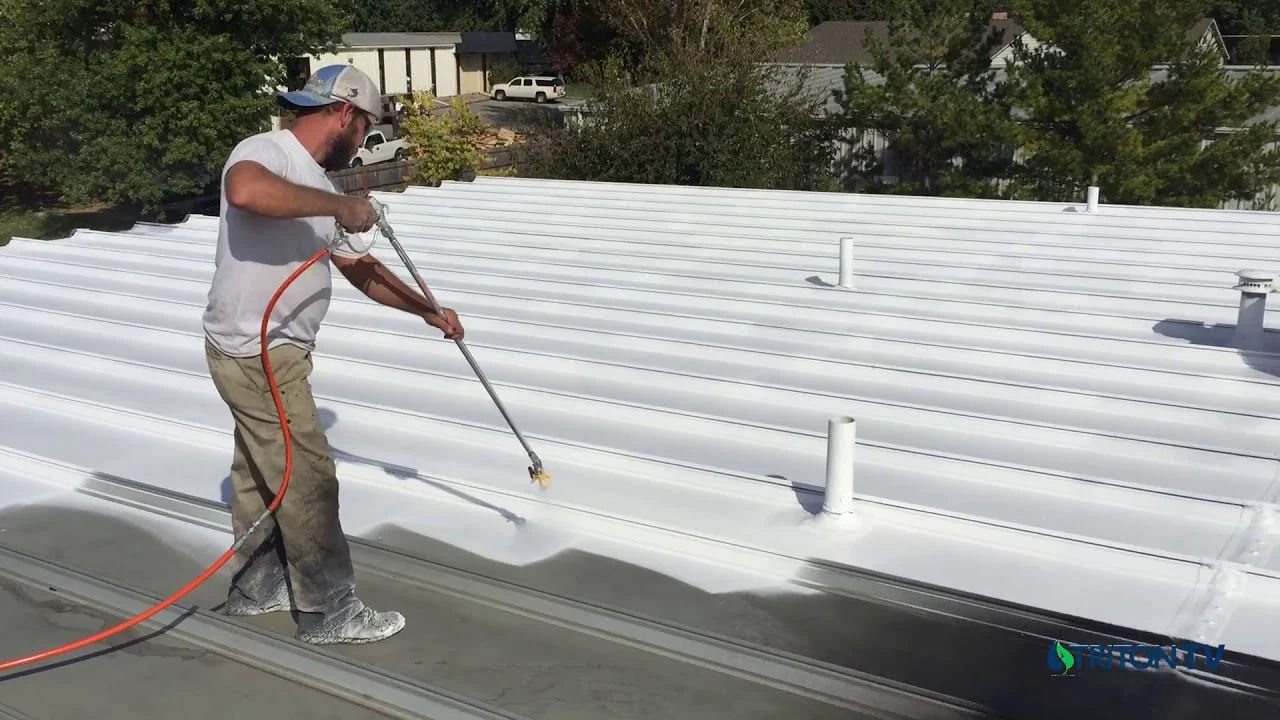
Compatible elastomeric or acrylic coatings can be applied to raise surface reflectivity on an existing EPDM roof, which is a common mid-life upgrade path.
Is ballasted EPDM a good fit for every roof?
Only where the deck is structurally rated for the added stone weight. We verify structural capacity before proposing a ballasted system.