Roofing Strip Centers Along O Street and South 27th
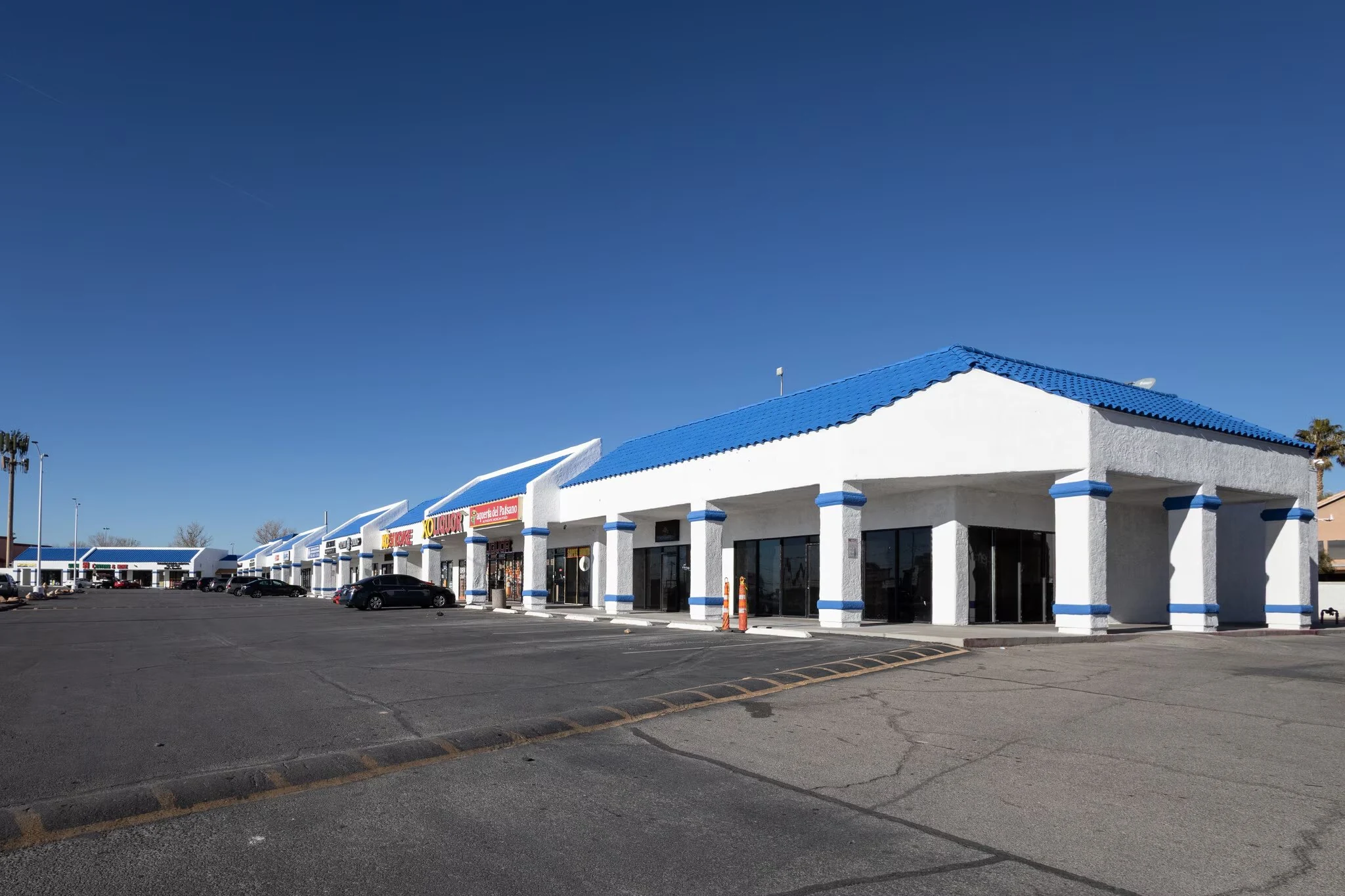
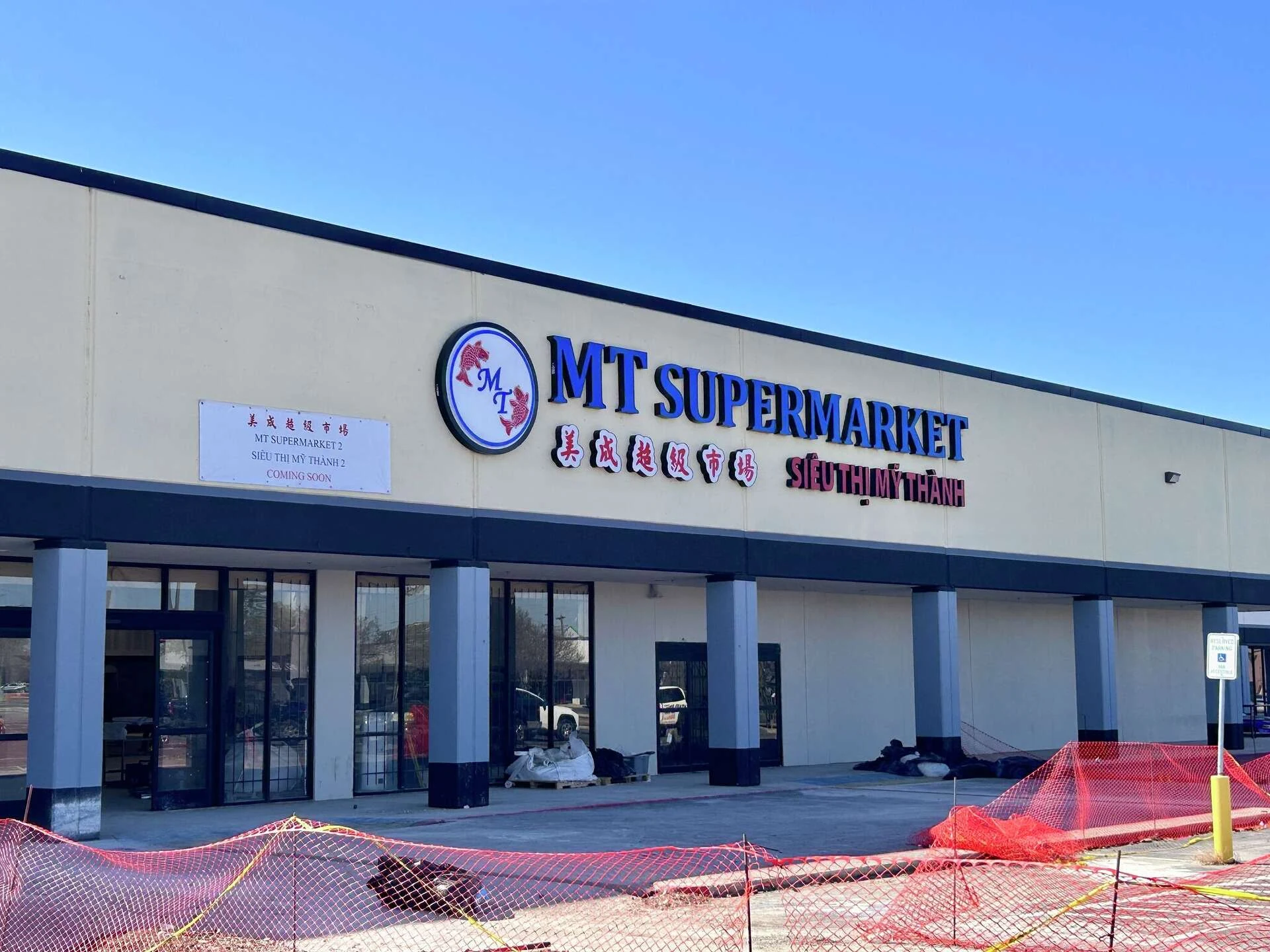
Strip retail centers line Lincoln's major commercial corridors, from older centers along O Street to newer developments near SouthPointe Pavilions and the Gateway area, and most of them share the same roofing challenge: one continuous roof deck covering multiple independent tenants with different leases, different build-out dates, and different tolerance for disruption.
One Roof, Many Tenants, Many Opinions
A leak in a strip center rarely respects tenant boundaries, and water that enters over one unit can travel along the deck and show up in the ceiling of the unit next door. We map the roof against the tenant floor plan before starting any repair, so we know exactly which tenant's space is affected and can communicate accurately with property management about scope and access.
We also document which lease agreements assign roof maintenance responsibility to the landlord versus the tenant, when that information is available, since strip center leases vary widely on this point. Having that clarity before starting a repair avoids a billing dispute later about which party is responsible for what portion of the work.
Coordinating Access Across Multiple Businesses
Getting to the roof over a specific tenant space often means routing around active retail hours, back-of-house storage, or a restaurant's kitchen exhaust equipment. We schedule access tenant by tenant when a repair is localized, and we coordinate a center-wide notice through property management when work affects the whole roof.
For centers with a property manager on-site, we coordinate directly with that manager rather than looping in each individual tenant separately, which keeps communication centralized and reduces the chance of conflicting instructions about access or scheduling.
Mixed Roof Ages From Phased Development
Strip centers built or expanded in phases often carry different roof ages and even different membrane types across the same continuous deck, especially where an anchor space was added years after the original center. We evaluate each section separately rather than assuming uniform condition, since a center's oldest section can need replacement while a newer wing still has years of service life left.
Reflective Roofing for Retail Tenants Running Long Hours
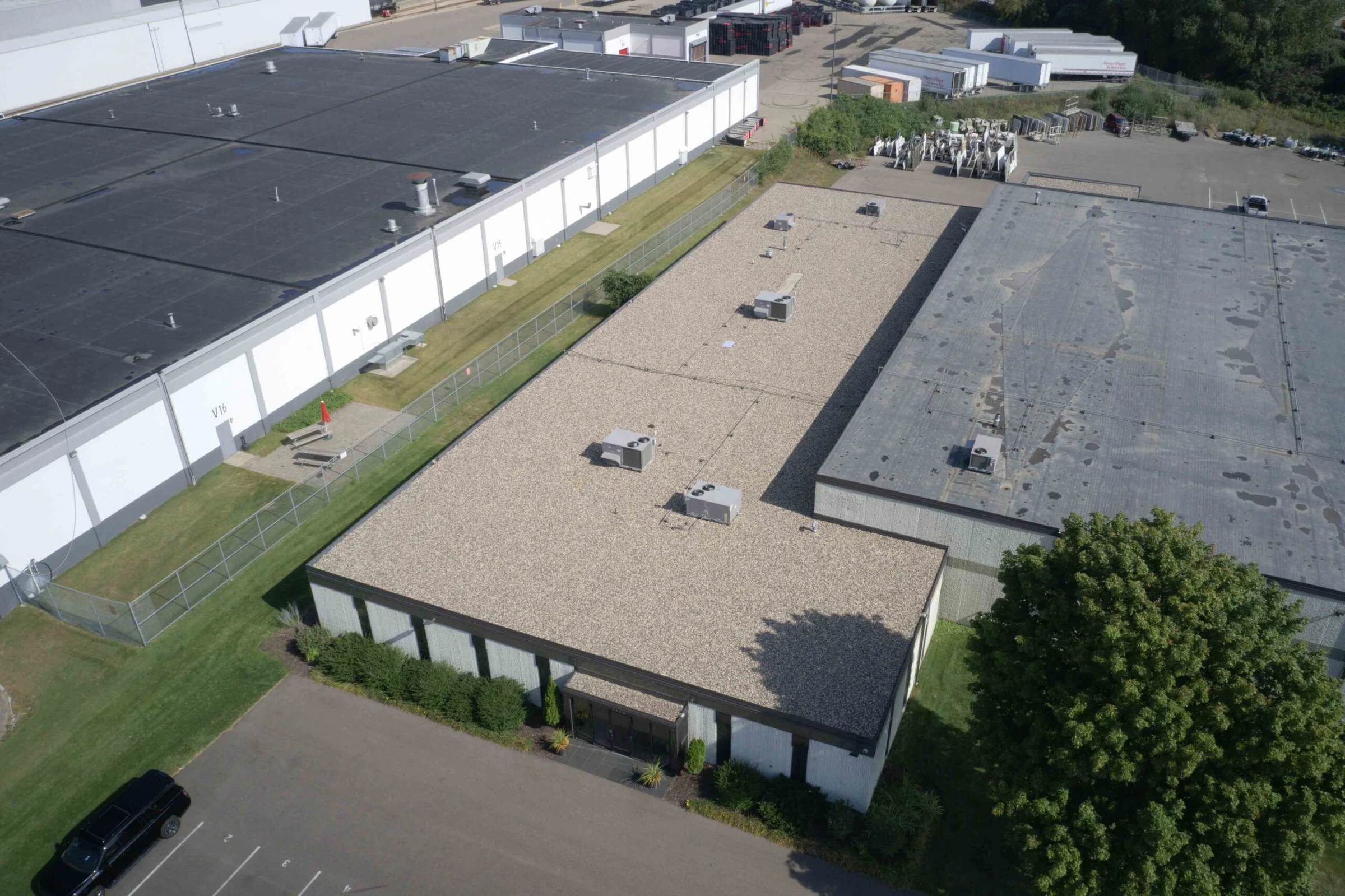
Retail and restaurant tenants along these corridors often run extended hours, which keeps HVAC systems working later into the day than a typical office building. A reflective membrane reduces the heat load those units fight through the afternoon and evening, which matters more on a strip center roof that's carrying rooftop units for a dozen or more separate tenant HVAC systems.
- Roof-to-tenant mapping before any localized repair
- Coordinated access scheduling around active retail and restaurant hours
- Separate condition assessment for phased-development roof sections
- Reflective membrane options for tenants with extended operating hours
- Drainage review at parapet walls between adjoining tenant spaces
- Storm damage documentation broken out by tenant section
Restaurant Kitchen Exhaust Adds Its Own Curb Issues
Any restaurant tenant in a strip center brings rooftop kitchen exhaust equipment that runs hot and greasy compared to standard HVAC curbs, and the flashing around those curbs takes more wear than the rest of the roof field. We inspect restaurant exhaust curbs separately and more frequently than standard rooftop equipment, since grease and heat degrade flashing seals faster in that specific spot.
Centers along the O Street corridor and near SouthPointe Pavilions also see seasonal tenant turnover, with buildout crews sometimes cutting new rooftop penetrations for a fresh tenant's HVAC or exhaust needs without always looping in the building owner first. We flag any penetration that doesn't match our last roof survey, since an unpermitted cut is one of the more common sources of a new leak in a strip center roof.
Hail Damage on a Roof Serving Multiple Businesses
A hailstorm moving through Lincoln doesn't distinguish between tenant spaces, but the aftermath does need to be sorted that way for property management and tenant lease purposes. We document hail impact across the full roof and break the report out by tenant section, so property management has a clear record for whichever party is responsible for what portion of the repair.
Questions Strip Center Owners and Managers Ask Us
How do you know which tenant a roof leak actually affects?
We map the roof against the tenant floor plan and trace water paths from the entry point, since leaks can travel along the deck before showing up inside a unit.
Can you repair one tenant's section without disrupting the rest of the center?
Yes, localized repairs are scheduled around that specific tenant's access and hours. Center-wide work gets a broader notice coordinated through property management.
Why does one part of our center need replacement while another doesn't?
Centers built or expanded in phases often have different roof ages and membrane types across sections. We assess and report on each section separately rather than treating the roof as one uniform system.
Do restaurant tenants need different roof maintenance than retail tenants?
Yes. Kitchen exhaust curbs take more wear from heat and grease than standard HVAC curbs, and we inspect those areas more closely and more often.
How do you document storm damage for lease and insurance purposes across multiple tenants?
We document the full roof after a storm and break the report out by tenant section, giving property management a clear record to work from regardless of how the lease allocates responsibility. That section-by-section breakdown also makes it easier to sort out repair costs when different tenants carry different maintenance obligations under their individual leases.