Roofing Around Lincoln's Campus Buildings
City Campus, East Campus, and the research buildings at Nebraska Innovation Campus each carry a different roof profile, from century-old masonry buildings recovered many times over to newer lab and research structures with heavy rooftop mechanical loads. Campus-area roofing means working around an academic calendar and equipment that can't go offline on short notice.
Lab and Research Building Curbs Take Priority
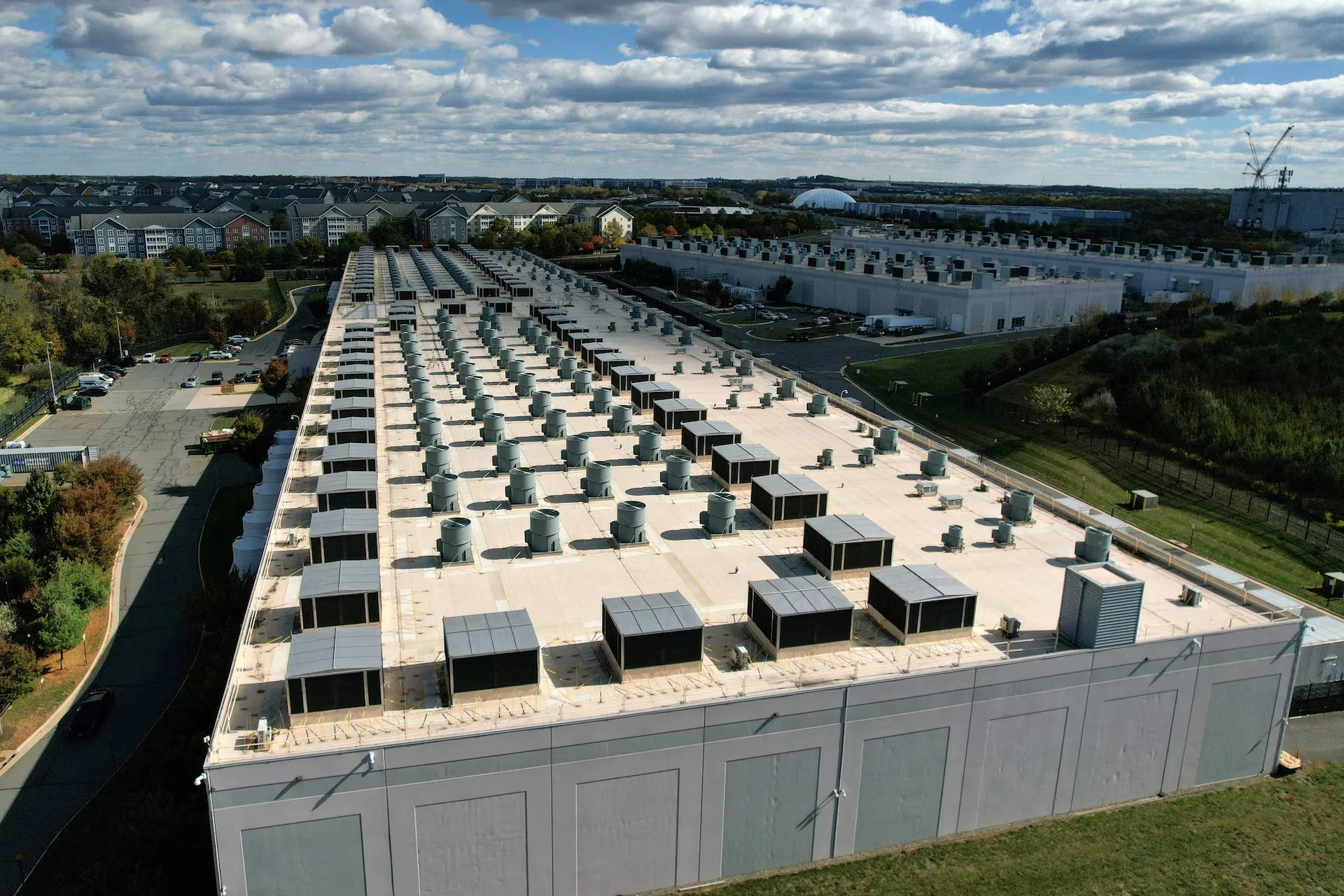
Research space near East Campus and the innovation park carries fume hood exhaust, specialized ventilation, and equipment curbs that a standard office building never sees. Every curb and penetration serving lab exhaust gets inspected on its own, because a flashing failure at an exhaust curb is a containment issue before it's ever a water issue. We treat those penetrations as priority items on any inspection, not routine field checks.
Coordinating that inspection means working with whichever department manages the space below, since lab safety protocols vary by building and by the type of research underway. We schedule roof access around active experiments and equipment runs rather than assuming a lab can pause on short notice, and we note any exhaust curb showing early wear so it gets addressed before a small gap becomes a containment failure during the next storm.
Dormitory and Housing Roofs on a Compressed Summer Window
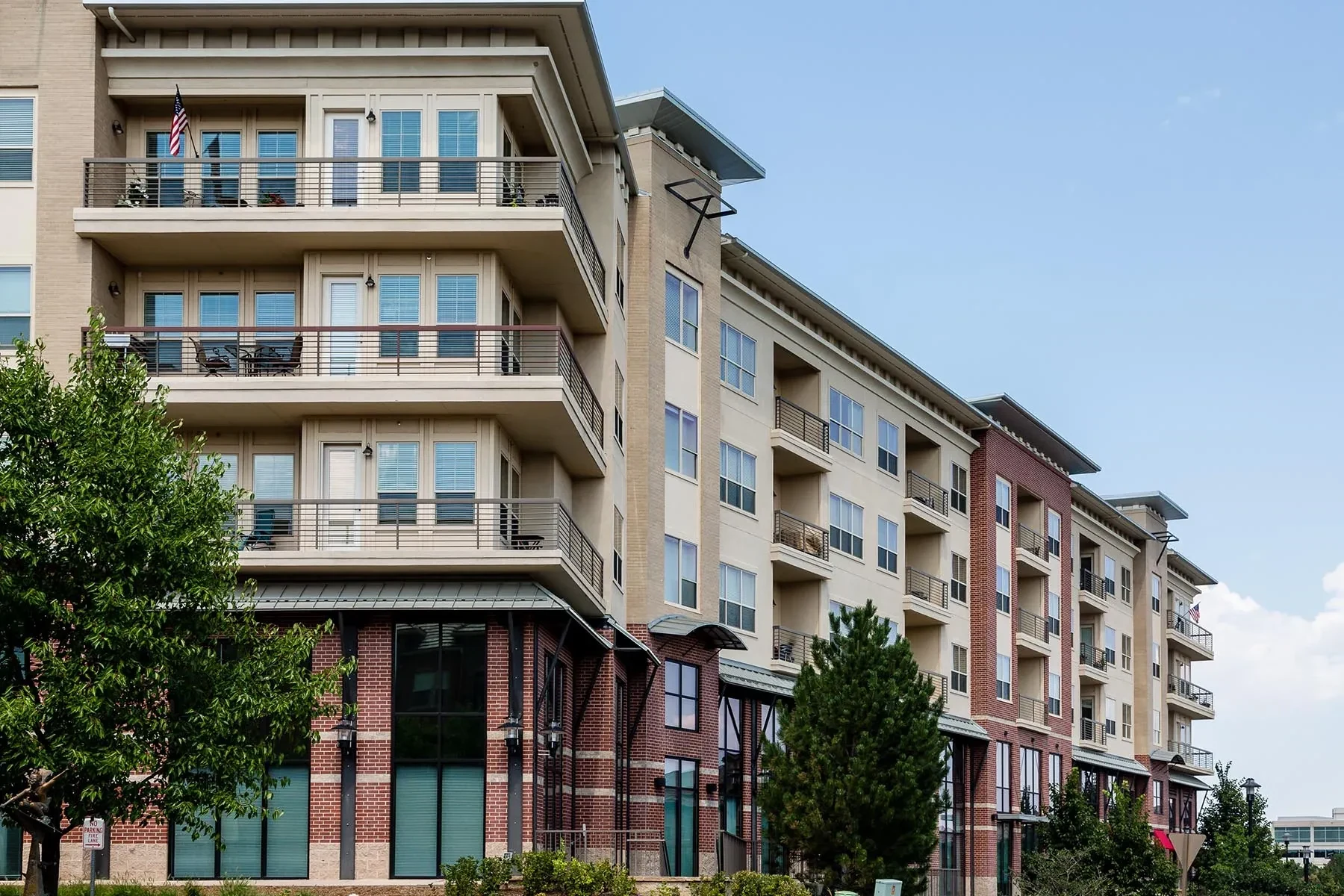
Student housing near campus only opens up for major roof work between spring move-out and fall move-in, which gives a tight production window compared to a commercial building that can phase work year-round. We plan tear-off, dry-in, and detail work for housing roofs around that calendar so a project doesn't run into the first week students move back in.
Reflective Roofing for Buildings With Heavy Cooling Demand
Research buildings and larger academic structures run cooling systems hard through Lincoln's summer, both for occupant comfort and for equipment that needs a stable temperature. A reflective TPO or PVC membrane knocks down the surface heat gain a dark roof would otherwise pass into the building, which eases the load on rooftop units that are often already sized close to capacity. On buildings with server rooms or lab equipment, that reduced thermal swing also means fewer temperature spikes for equipment that can't tolerate them.
- Fume hood and lab exhaust curb flashing inspected separately from field membrane
- Reroof scheduling planned around the academic and move-in calendar
- Reflective membrane specification for cooling-heavy research buildings
- Insulation upgrades for older masonry buildings with minimal existing R-value
- Storm damage documentation for buildings hit during spring hail events
- Phased sequencing for buildings that stay partially occupied during work
Older Buildings Carry Layers of Prior Repairs
Some of the buildings ringing City Campus have been recovered two or three times, and each layer changes what a roofer finds when the top surface comes off. Abandoned curbs, old fastener patterns, and inconsistent insulation thickness are common on buildings that have been added onto or re-equipped over decades. We open up test sections before committing to a full scope so the pricing reflects what's actually under the existing membrane, not an assumption.
On a building that's been recovered multiple times, we also check whether the added weight from stacked membrane layers is within what the original structure was designed to carry. Older masonry buildings around City Campus weren't always built with a second or third roof layer in mind, and a full tear-off sometimes turns out to be the more responsible choice even when a recover looks cheaper on paper, once structural load is factored into the decision.
Hail Exposure Doesn't Skip Campus Roofs
Spring hail moves through southeast Nebraska without checking a building's occupant. Flat academic and research roofs take the same impact damage as any commercial building in the path of a storm, and a cracked pitch pocket or split flashing seam on a lab roof creates more urgency than the same damage on an empty warehouse, given what sits underneath. We prioritize post-storm inspection requests for buildings with active research or occupied housing.
Nebraska Innovation Campus buildings in particular mix research tenants with shared amenity space, and roof access there sometimes means coordinating with more than one occupant on the same floor plan. We confirm who needs to be looped in before scheduling roof access on a shared research building, since a single tenant's approval isn't always enough to get onto the roof.
Common Questions From Campus-Area Facilities Staff
Can you inspect roofs with active lab exhaust without shutting equipment down?
In most cases yes, since a visual and moisture inspection doesn't require taking exhaust systems offline. Any repair work at an active exhaust curb gets scheduled around the lab's operating needs.
How tight is the reroof window for student housing?
Major tear-off work on occupied housing generally has to land in the gap between spring move-out and fall move-in. We plan material staging and crew scheduling around that window well ahead of the date.
Do reflective membranes make a real difference on research buildings?
Reduced rooftop surface temperature eases the load on cooling equipment and reduces thermal cycling that can affect sensitive lab space below. The actual savings depend on the building's existing insulation and unit sizing.
What do you do if you find undocumented prior recover layers?
We open test cuts to identify how many layers exist and what condition the deck and insulation are in below them, then price the scope against what's actually there rather than an assumed single-layer tear-off.
How fast can you respond after a hailstorm hits a campus building?
We prioritize inspection requests for buildings with active occupancy or sensitive equipment first, and document impact damage the same day where the schedule allows.