Acrylic Coatings for a Cost-Conscious Reflectivity Upgrade
A coating recommendation starts with adhesion, moisture, drainage, membrane condition, detail preparation, and warranty eligibility,not every existing roof is a restoration candidate. Acrylic roof coating is the budget-friendly option in our coating lineup, and for roofs without a ponding water problem, it's often the right call. It costs less per square foot than silicone, applies easily, and delivers a genuine reflectivity boost on roofs where surface heat gain is the main concern rather than standing water.
For property managers stretching a maintenance budget across several buildings, acrylic often lets a roof coating program cover more square footage per dollar without giving up meaningful performance, provided each roof is screened for ponding water first so the cheaper option isn't applied where it doesn't belong.
Where Acrylic Makes the Most Sense
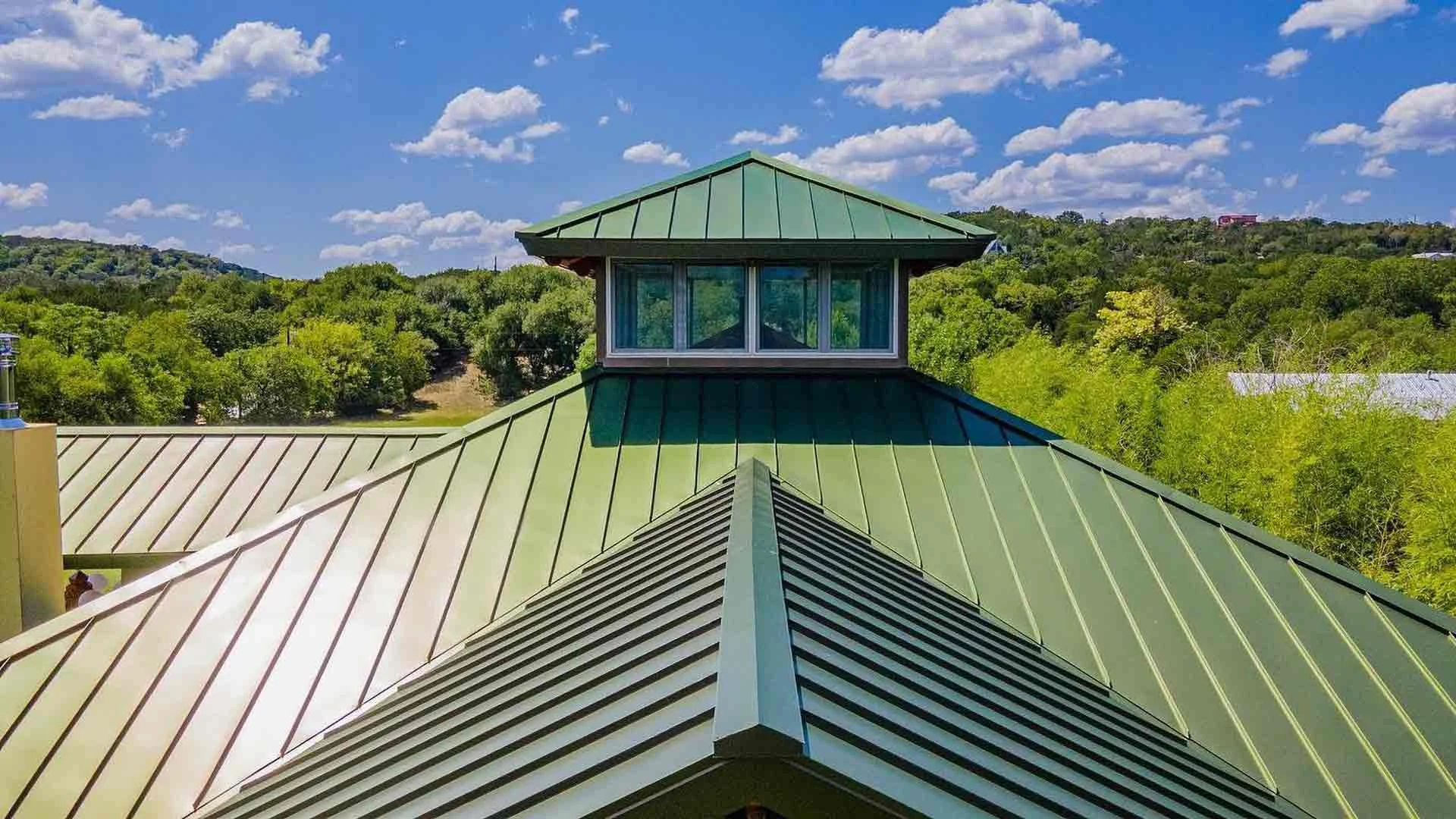
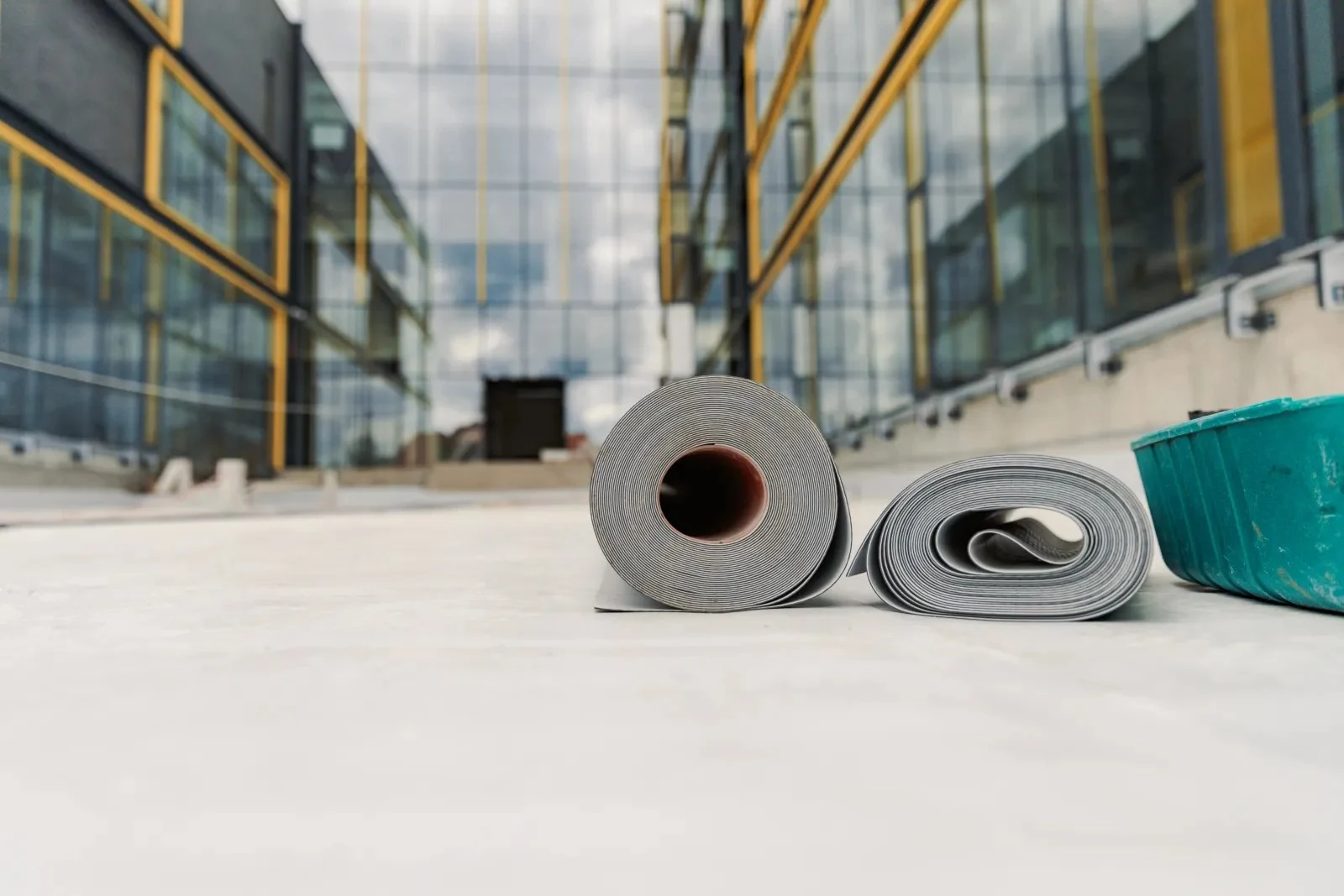
We recommend acrylic most often on metal roofs, particularly older R-panel or standing seam roofs where the factory finish has chalked or faded, and on sloped or well-draining single-ply and modified bitumen roofs without documented ponding areas. On these roofs, water isn't sitting long enough to challenge the coating's water resistance, so acrylic's main job, reflecting sun and sealing minor surface wear, is exactly what the roof needs without paying for silicone's ponding-water performance.
Metal roofs on Lincoln's manufacturing and agricultural-adjacent buildings are a particularly good match, since their steeper slope sheds water quickly and their factory finish is what tends to fade first under years of direct sun, well before the panels themselves show structural wear.
Reflectivity Impact
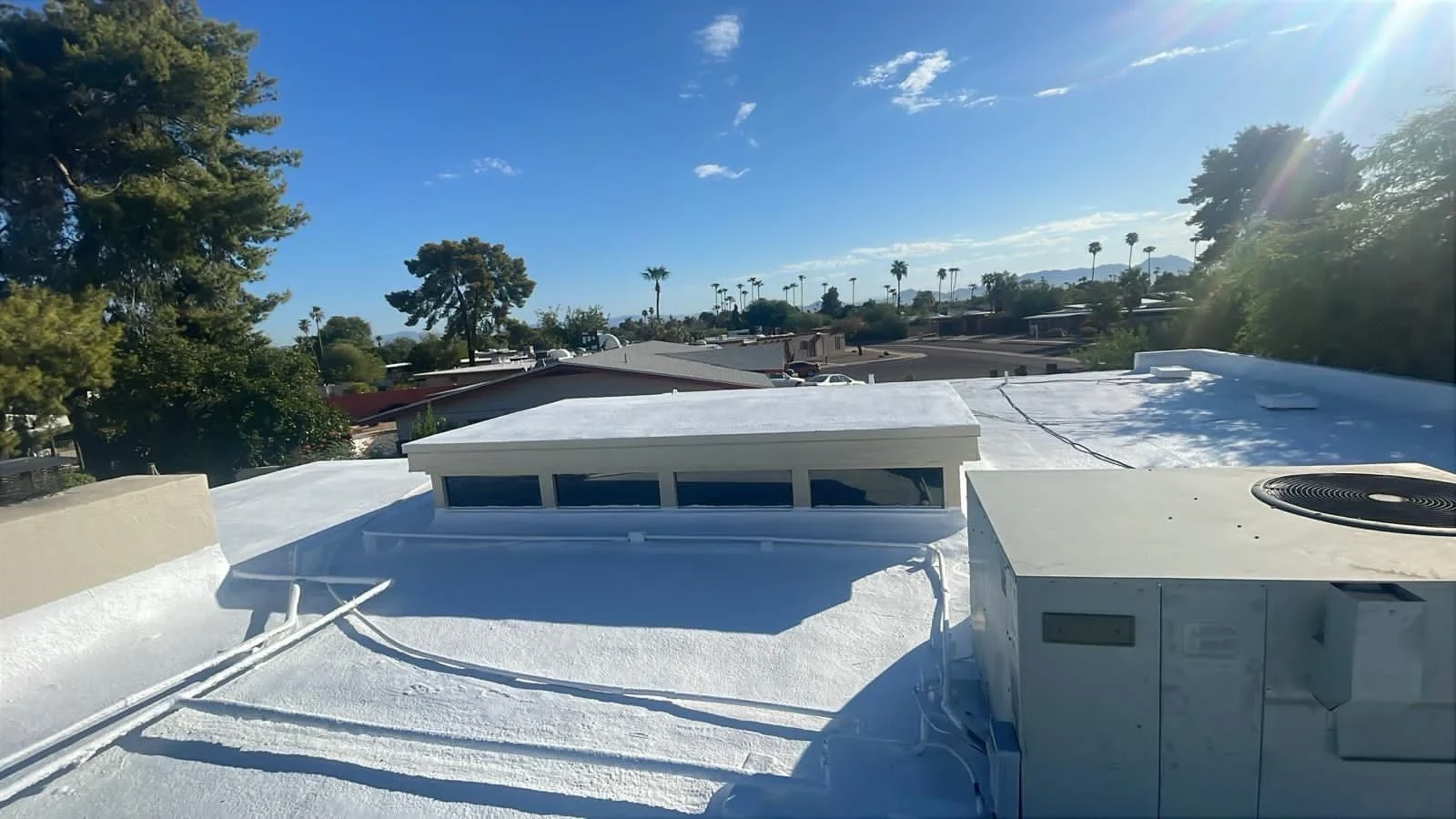
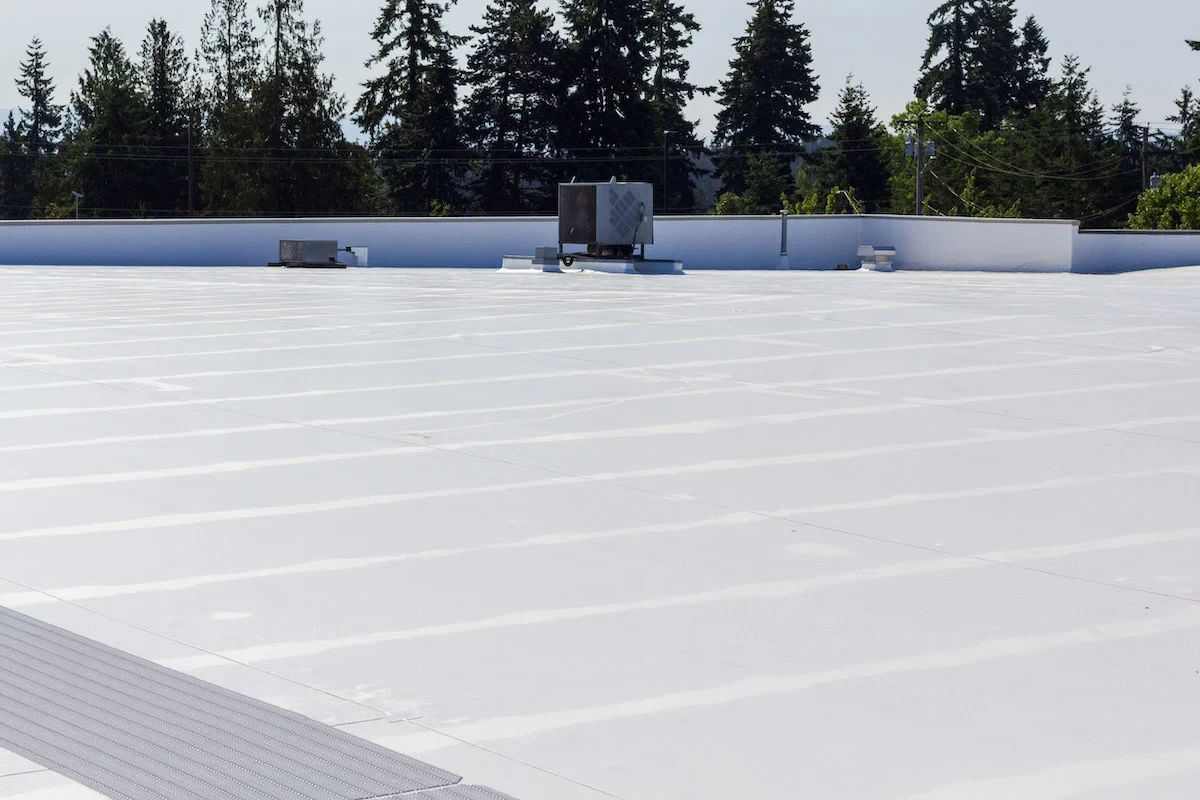
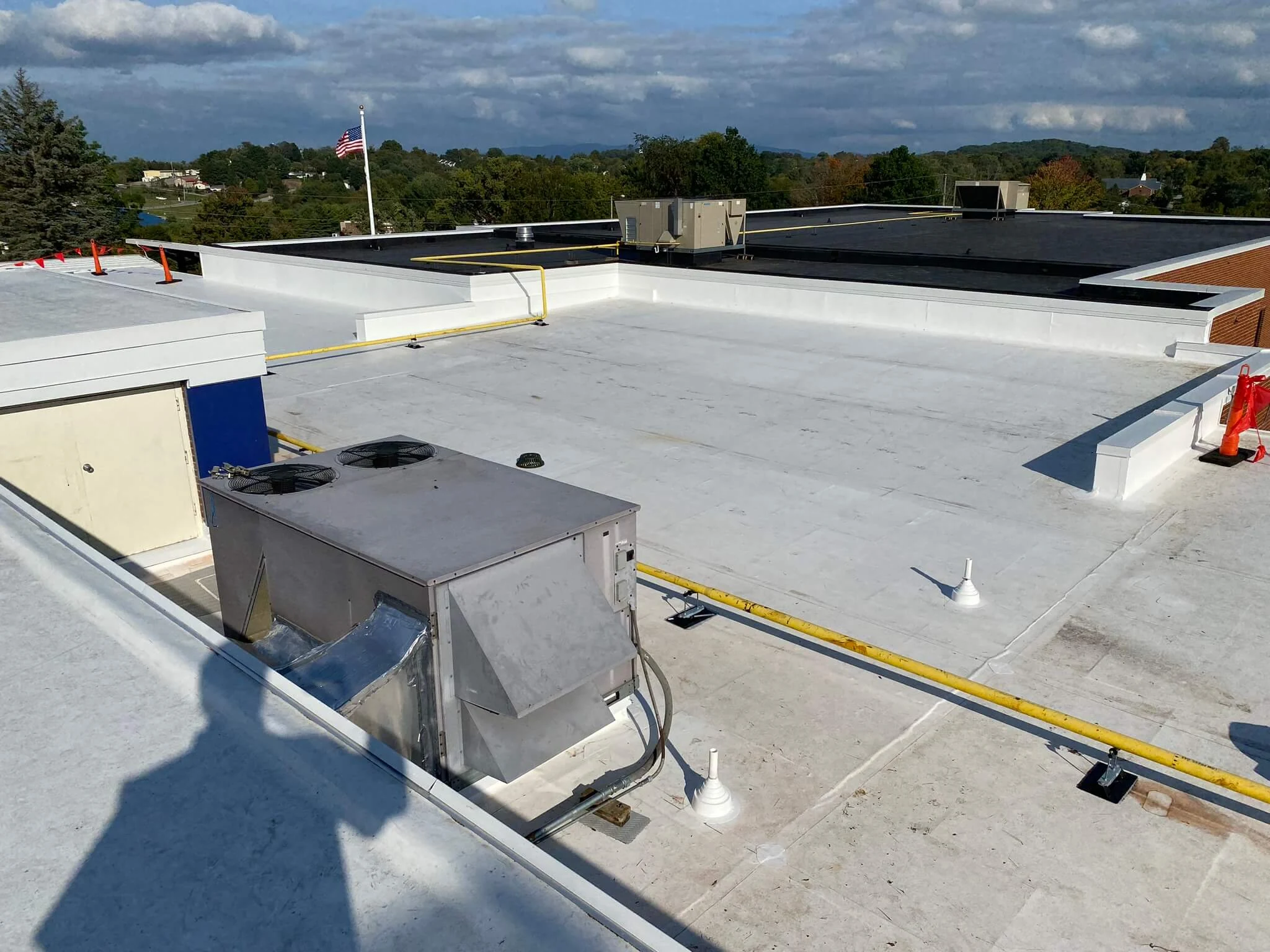
A faded metal roof or an aging membrane that's lost its original reflectivity can run noticeably hotter than a fresh, white surface. Acrylic coating restores much of that lost reflectivity at a fraction of the cost of a full roof replacement. On buildings where rooftop units are already sized close to their limit during Lincoln's hottest July and August afternoons, that reduction in surface temperature can meaningfully ease the load those units are working against.
We've measured surface temperature drops of well over twenty degrees on freshly coated metal roofs compared to the faded original finish, and while that doesn't translate one-to-one into utility savings, it does noticeably reduce how often rooftop units cycle on the hottest afternoons of the year.
Where Acrylic Falls Short
Acrylic is water-based, and prolonged exposure to standing water can soften the film and reduce its adhesion over time. On any roof with a low spot that holds water for two days or more after a rain event, we recommend silicone instead, even though it costs more, because acrylic simply won't hold up in that specific condition. We're direct about this trade-off rather than selling the cheaper option where it isn't the right technical fit.
Cold temperature performance is another consideration. Acrylic can become brittle in extreme cold before it's fully cured, which affects application timing more than long-term performance once cured, but it does mean we schedule acrylic coating work around Lincoln's shoulder-season weather windows rather than applying it during a hard winter cold snap.
Common Applications
- Faded or chalking metal roofs needing a reflectivity and corrosion-protection refresh
- Well-draining single-ply membranes without ponding history
- Modified bitumen or built-up roofs with adequate slope to drain
- Budget-driven restoration projects on buildings with limited capital available
- Interim protection on a roof scheduled for replacement in the coming years
It's also a common choice for property managers overseeing multiple buildings who want to extend roof life across a portfolio without committing every roof to the higher silicone price point.
Application and Maintenance
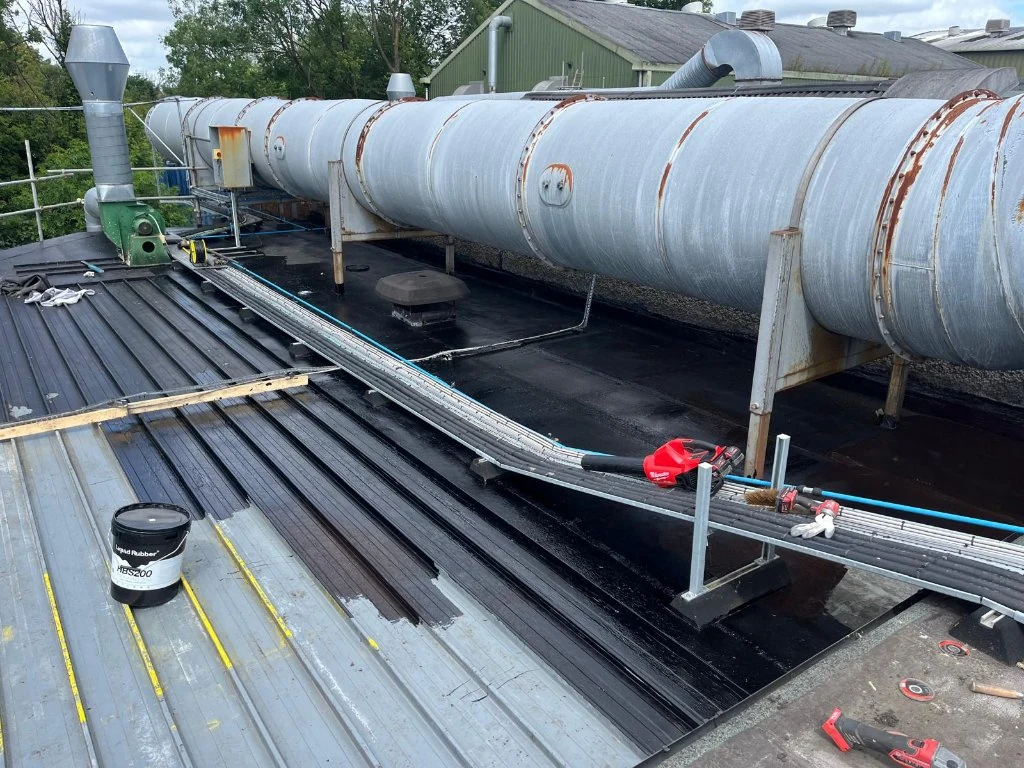
Application follows the same general process as silicone: clean the surface, repair any active damage first, then apply at the manufacturer's specified thickness, sometimes in two coats for adequate coverage and mil buildup. Acrylic coatings generally need recoating on a shorter cycle than silicone, so we set expectations with owners up front about when the next maintenance coat will likely be due rather than presenting it as a one-time fix.
For property managers running a coating program across several buildings, we track recoat timing per roof so the schedule can be planned into a capital budget in advance, rather than reacting to a coating that has already started to chalk and lose its protective value.
Common Questions
Will acrylic coating work on a roof with any ponding water at all?
Minor, brief ponding that drains within a day is usually fine. Water that sits for 48 hours or longer after rain calls for silicone instead, and we check drainage patterns across the full roof before recommending either product.
Does acrylic coating protect metal roofs from rust?
Yes, a properly applied acrylic coating seals the metal surface and slows corrosion, which is one of the main reasons we use it on faded older metal roofs.
How often does an acrylic coating need to be reapplied?
Typically every seven to twelve years depending on UV exposure and application thickness, sooner on roofs with intense southern sun exposure.
Can acrylic coating be applied over an old acrylic coating?
Usually yes, provided the existing coating is clean, adhered well, and not chalking excessively. We test adhesion before recommending a recoat over an old coating.
Is acrylic coating a substitute for roof replacement?
Not for a roof with structural or widespread membrane failure, but for a sound roof that's simply lost reflectivity and surface protection, it's a legitimate and cost-effective extension.
Can acrylic coating be applied to a roof with existing minor rust?
Yes, once the rust is treated and the surface is properly prepped. We address active corrosion first, since coating directly over untreated rust shortens the coating's effective life considerably.