
Insurance Documentation Support for Lincoln Commercial Roofs
When a storm damages a commercial roof, the insurance claims process moves faster and smoother when the documentation is thorough from the start. We build a factual, photo-backed record of roof condition and storm damage that gives owners and their adjusters a solid basis for the claims conversation, without ever stepping into the role of predicting or negotiating an outcome.
What We Document and Why It Matters
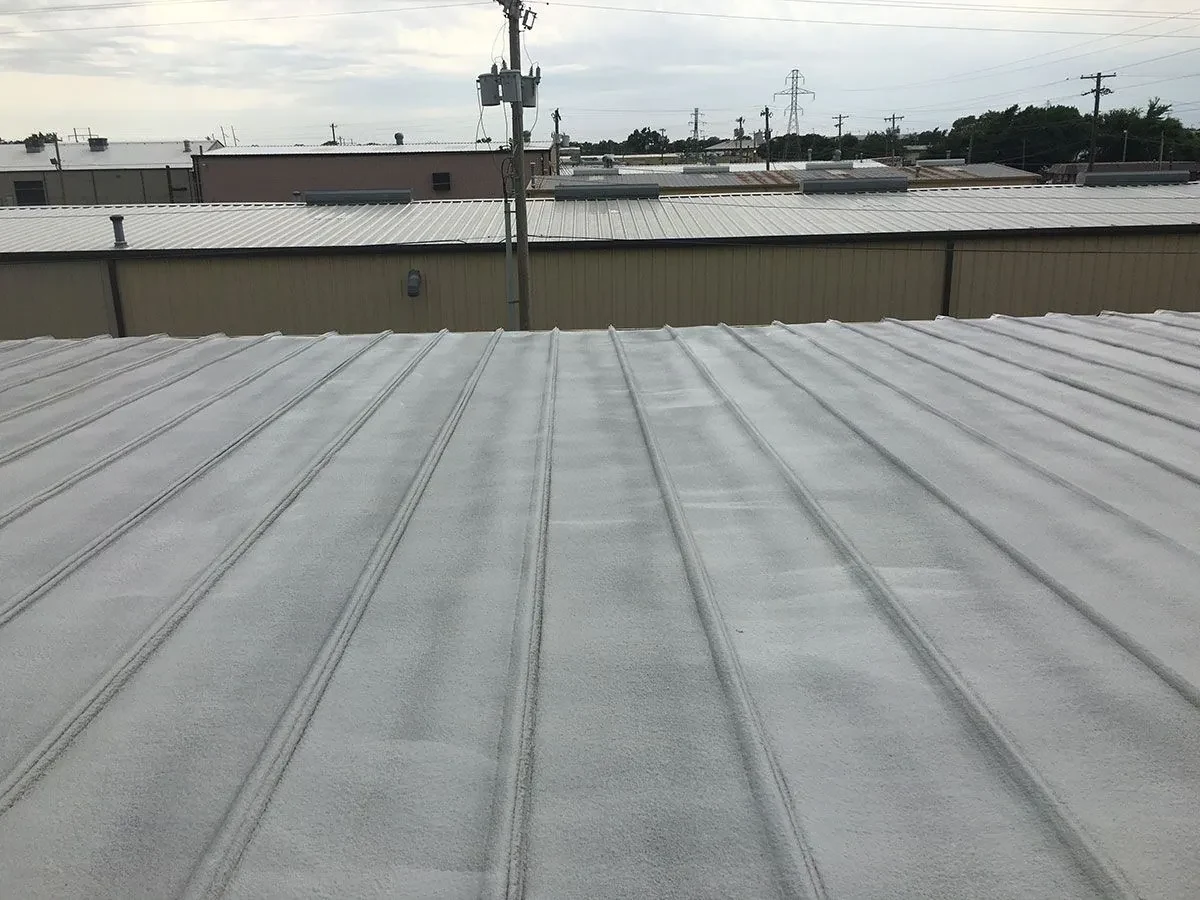
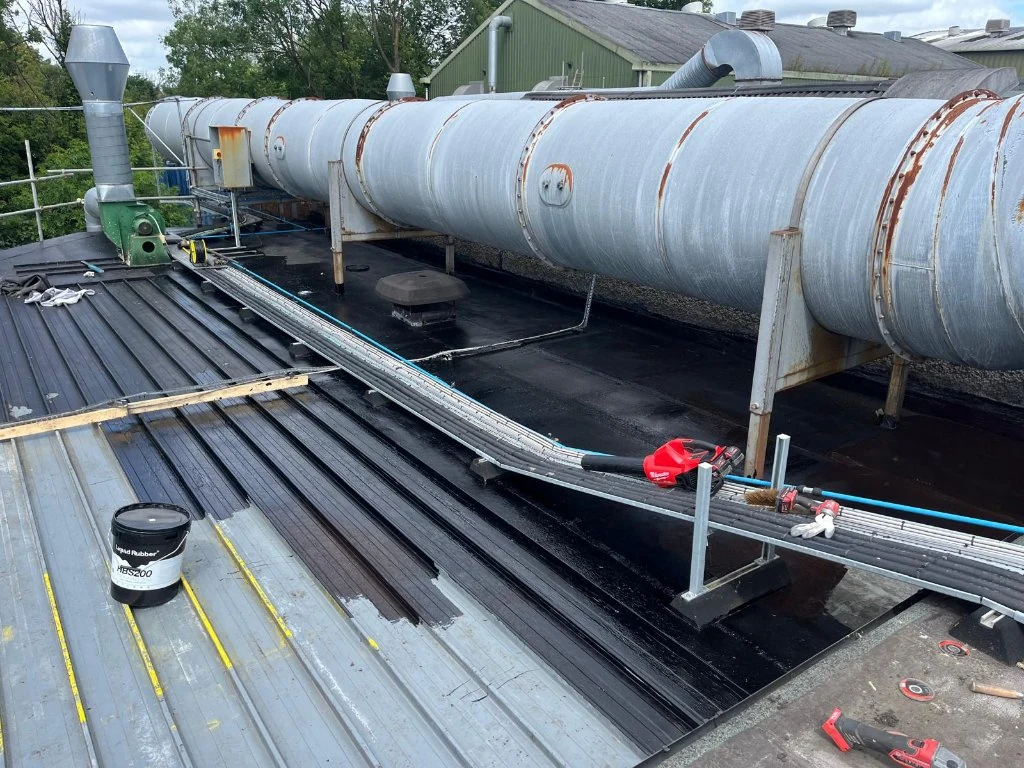
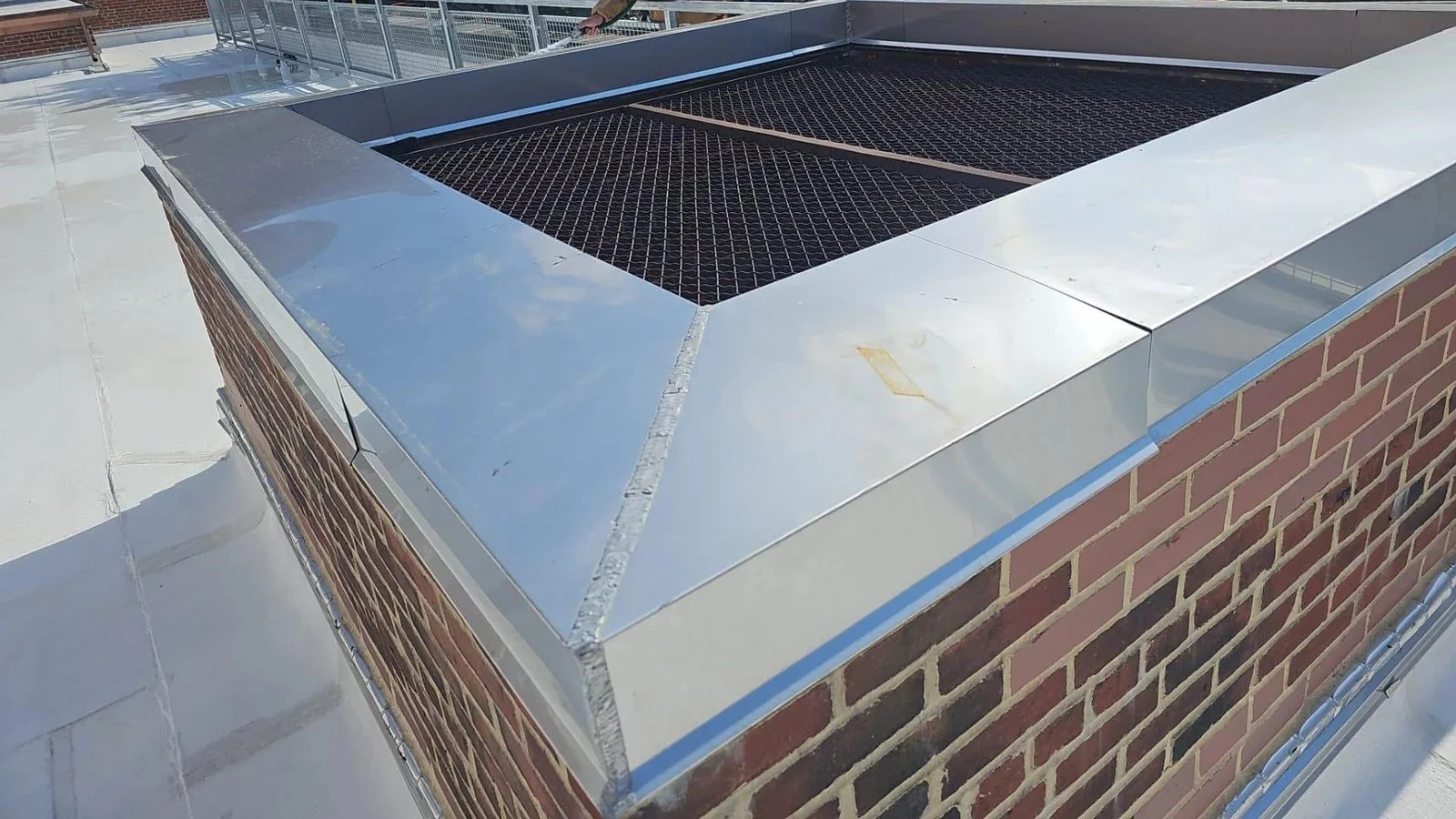
A strong damage record covers more than a few photos of obvious impact marks. We document membrane condition across the full roof, flashing and coping status at every parapet section, drain and scupper function, and any interior signs of water intrusion tied to the roof. On a Lincoln commercial building, that level of detail matters because hail damage on a low-slope membrane is often subtle , bruising and small splits rather than dramatic dents , and an incomplete record can leave real damage undocumented.
Our Documentation Process
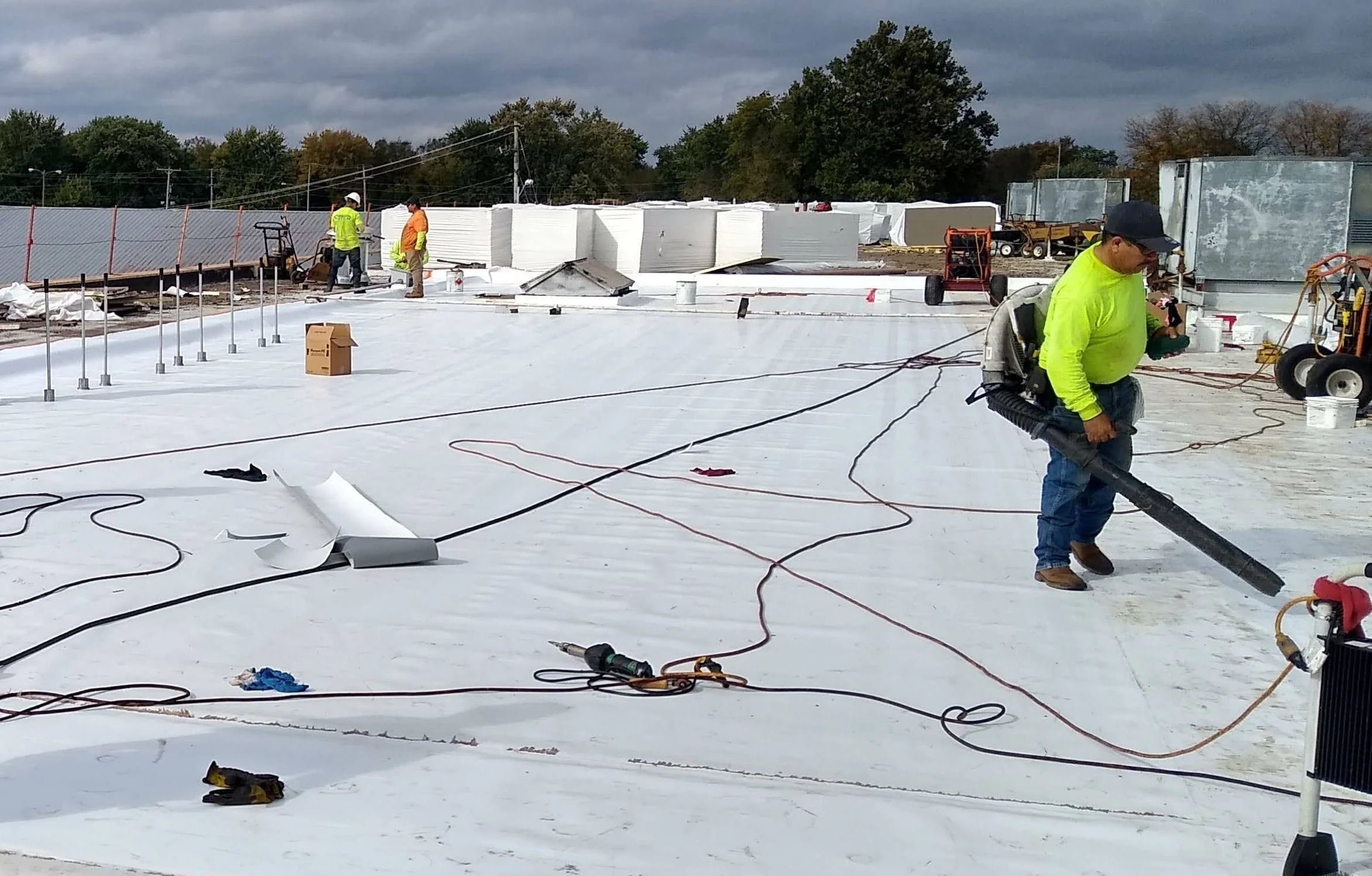
We walk the roof in sections, photographing impact patterns and flashing condition by zone, and note measurements where relevant, like hail impact density per square area or the extent of a wind-lifted membrane edge. Everything gets keyed to a roof plan or zone map so an adjuster can follow the record without needing to be on site themselves.
- Zone-by-zone photo documentation of membrane and flashing condition
- Hail impact density and distribution notes
- Wind damage assessment at perimeter and rooftop equipment
- Pre-existing wear versus storm-related damage distinction where determinable
- Written scope of recommended repair or replacement
- Dated records tied to the storm event being claimed
Distinguishing Storm Damage From Pre-Existing Wear
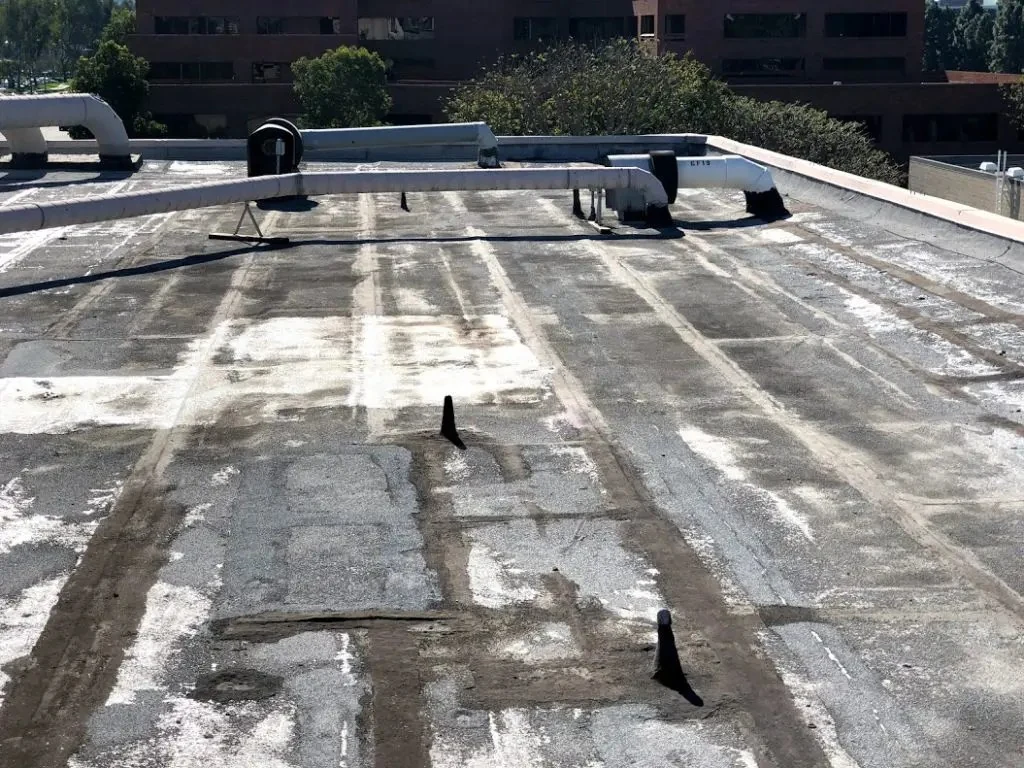
Not every roof issue found during a post-storm inspection is necessarily from that storm. Older membranes already show UV wear, prior patch work, and general age-related degradation, and part of thorough documentation is noting what appears consistent with the recent event versus what looks like longer-term wear. We record what we observe honestly , we don't inflate a scope to make a claim look bigger, and we don't understate real storm damage either. That distinction matters most on older roofs near the university and downtown Capitol district, where decades of UV wear and prior patch work sit alongside genuine hail damage from the most recent storm, and separating the two takes a trained eye rather than a quick glance.
Working Alongside Adjusters
We're glad to walk a roof with an owner's insurance adjuster and point out documented findings directly, answering technical questions about membrane condition, flashing detail, or repair methodology. Our role in that conversation is providing accurate roofing expertise and a clear record , the coverage determination and settlement decision rest with the adjuster and carrier, not with us.
What We Don't Do
We don't estimate claim payout amounts, promise a claim will be approved, or represent an owner in a dispute with their carrier. Any contractor who guarantees a claim outcome before an adjuster has even reviewed the roof is making a promise they can't actually back. Our job is producing documentation solid enough that the facts speak for themselves.
Timing Documentation Right After a Storm
The sooner documentation happens after a storm, the more accurate it is , weather, wind, and continued roof traffic can obscure or worsen damage over time. We prioritize documentation visits quickly after significant hail or wind events across the Lincoln area, especially for buildings reporting visible damage or active leaks.
Documentation for Multi-Building Portfolios
Property management firms and institutional owners with several buildings across Lincoln , a mix of office, retail, and warehouse space , often need documentation coordinated across an entire portfolio after a single widespread hail event. We track findings building by building in a consistent format, so an owner or their broker can compare damage severity and prioritize repair funding across the portfolio rather than handling each claim in isolation with no shared baseline.
That portfolio-level view also helps identify buildings where storm damage compounded existing roof age issues, which is useful information for an owner planning capital budgets beyond the immediate claim. It also lets a broker or risk manager see, at a glance, which properties need urgent temporary protection versus which can wait for scheduled permanent repair.
Common Questions on Insurance Documentation
Will you tell us how much our claim is worth?
No. We document roof condition and damage thoroughly and provide a recommended repair scope, but claim valuation is determined by the adjuster and carrier, not by us.
Can you meet with our insurance adjuster on site?
Yes, we're available to walk the roof with an adjuster and explain documented findings and roofing-specific technical detail directly.
How soon after a storm should we get documentation started?
As soon as possible. Damage documented shortly after an event is clearer and more reliable than documentation attempted weeks later, after continued weather exposure.
Can you tell the difference between storm damage and old wear and tear?
In many cases yes, based on impact patterns and membrane condition, and we note that distinction honestly in our documentation rather than attributing everything to the recent storm.
Do you guarantee our claim will be approved?
No, and any contractor who makes that promise before an adjuster reviews the roof isn't being straight with you. We provide accurate, thorough documentation to support your case, and we're clear about the difference between documenting damage well and predicting how a carrier will rule on it.